Tristhana
Breath
Ujjayi breathing: slow, even and audible, setting the rhythm of every movement.
Practice
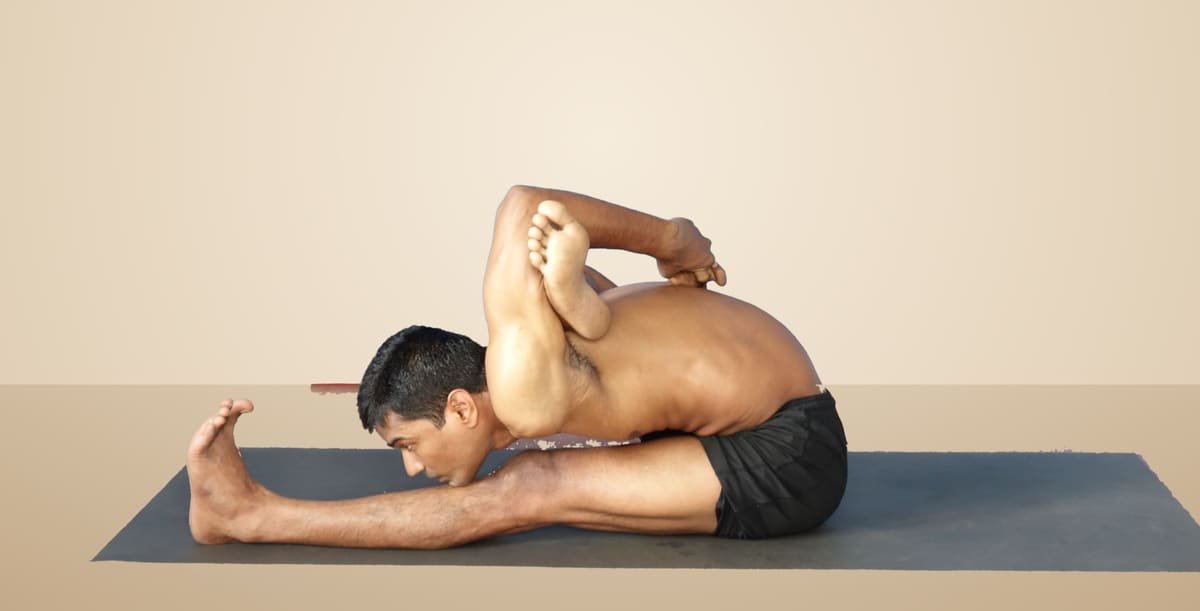
Breath-linked movement through a fixed sequence of postures, practised with precision, continuity and quiet attention.
The method
Alongside Traditional Hatha Yoga, Yogapyasa teaches Ashtanga Vinyasa Yoga (AVY): set sequences in which every movement is linked to an inhalation or exhalation, building internal heat, strength and concentration.
Ashtanga Vinyasa is itself a form of Hatha Yoga. It comes from the teaching of Sri T. Krishnamacharya, and was carried forward by his students Sri K. Pattabhi Jois, who taught this vinyasa system in Mysore, and Sri B.K.S. Iyengar.
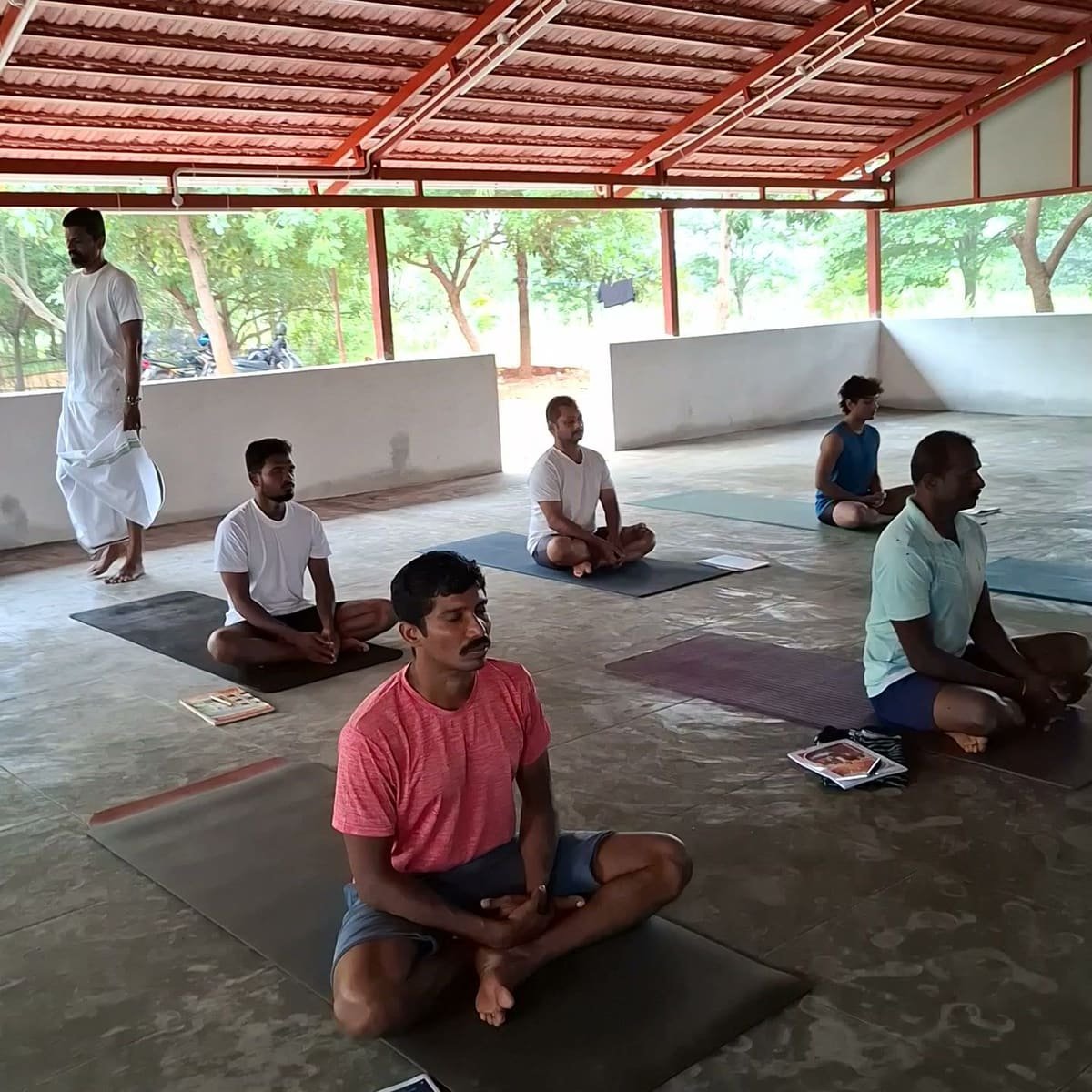
Each posture is entered and left through counted vinyasas and held for five steady breaths. Because the order never changes, the practice becomes a moving meditation: the mind follows the breath rather than wondering what comes next.
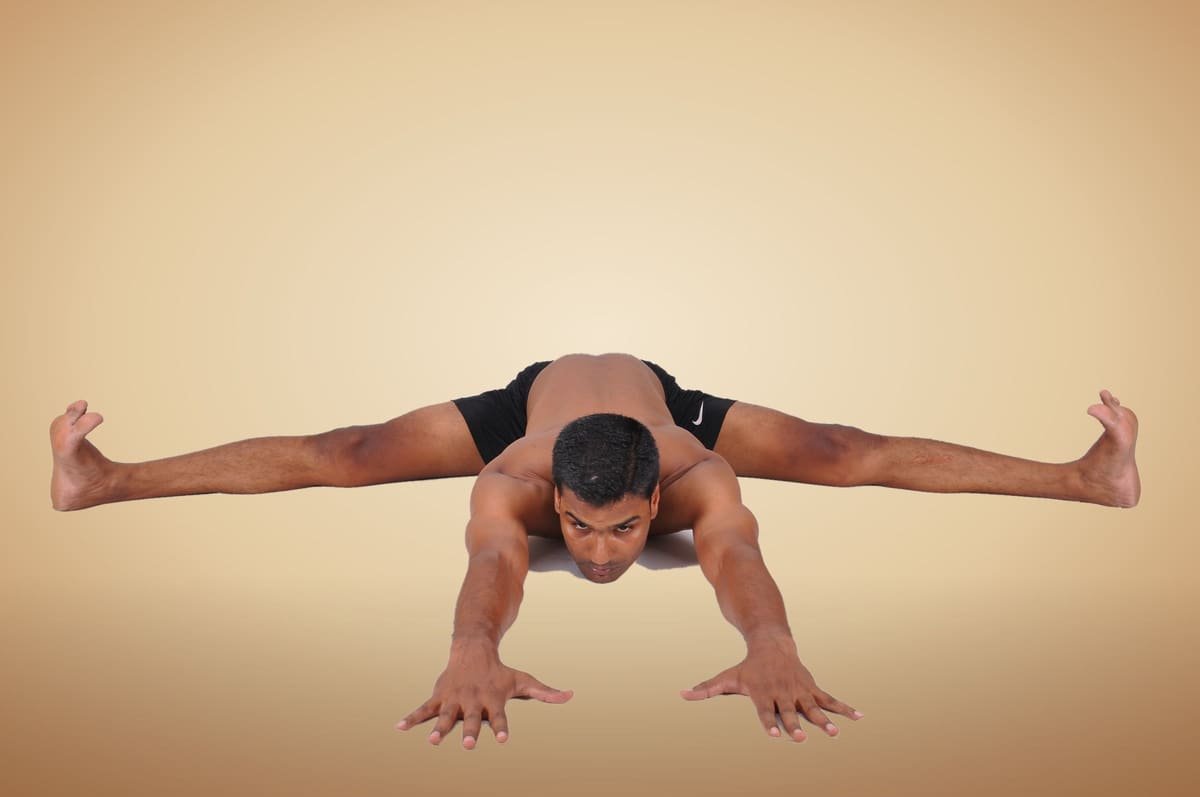
Tristhana
Ujjayi breathing: slow, even and audible, setting the rhythm of every movement.
Tristhana
Mula and Uddiyana Bandha: gentle internal locks that give lightness, stability and heat.
Tristhana
A fixed gazing point for each posture, nine in all, that draws attention inward.
The system
Yoga Chikitsa
Yoga therapy: purifies and realigns the body, builds strength and flexibility.
Start hereNadi Shodhana
Nerve cleansing: deep backbends and hip openers that purify the energy channels.
Sthira Bhaga
Steady strength: demanding arm balances and transitions.
Sthira Bhaga
Greater strength, grace and humility.
Sthira Bhaga
Refined control of body, breath and mind.
Sthira Bhaga
The most advanced sequence of the system.
Series 1 · Yoga Chikitsa
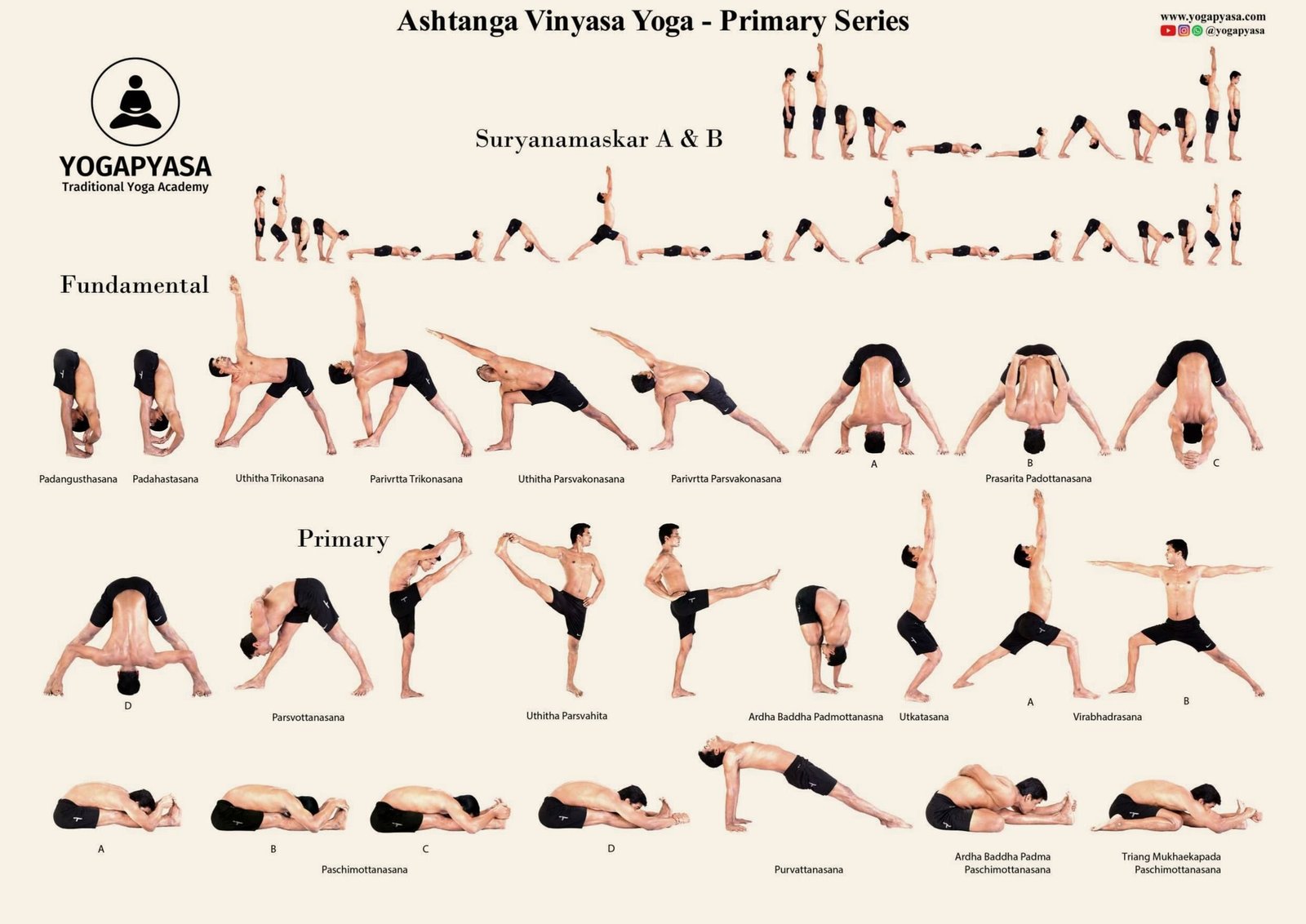
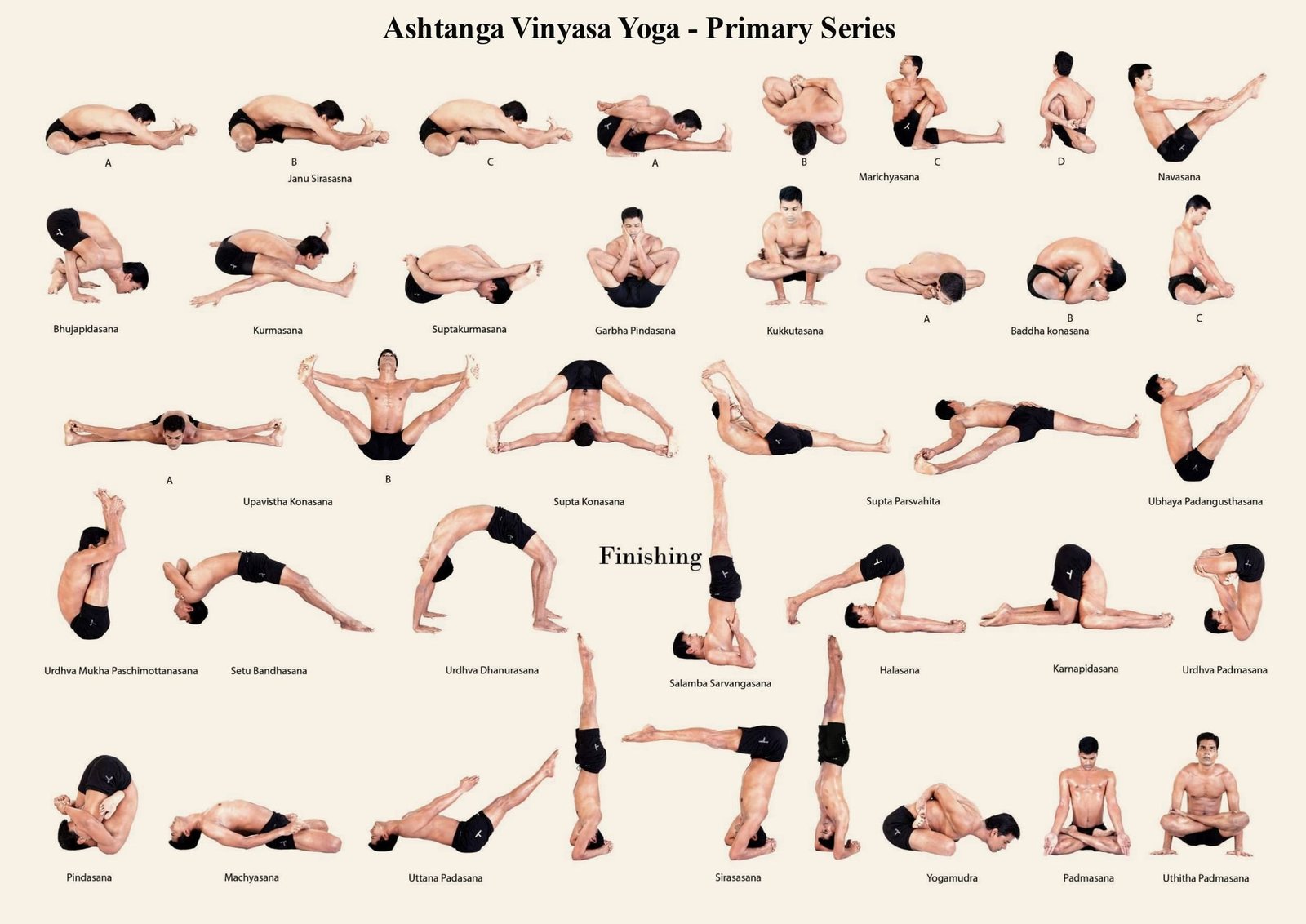
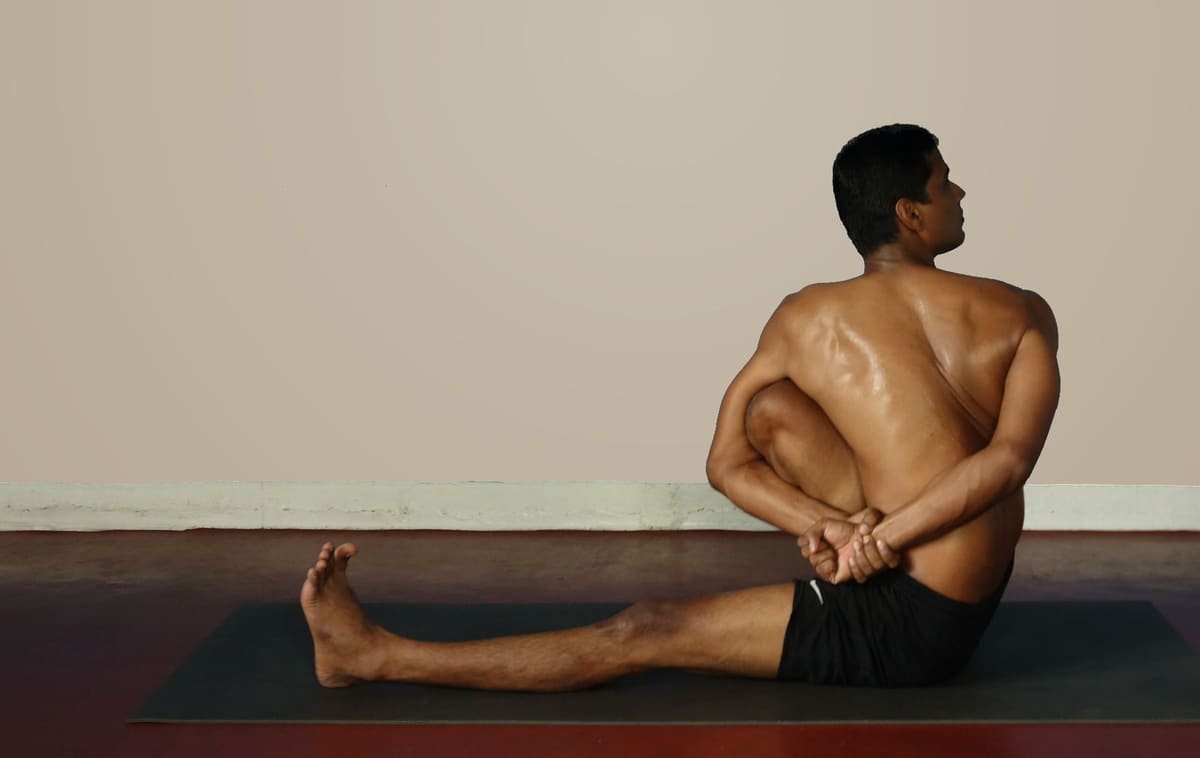
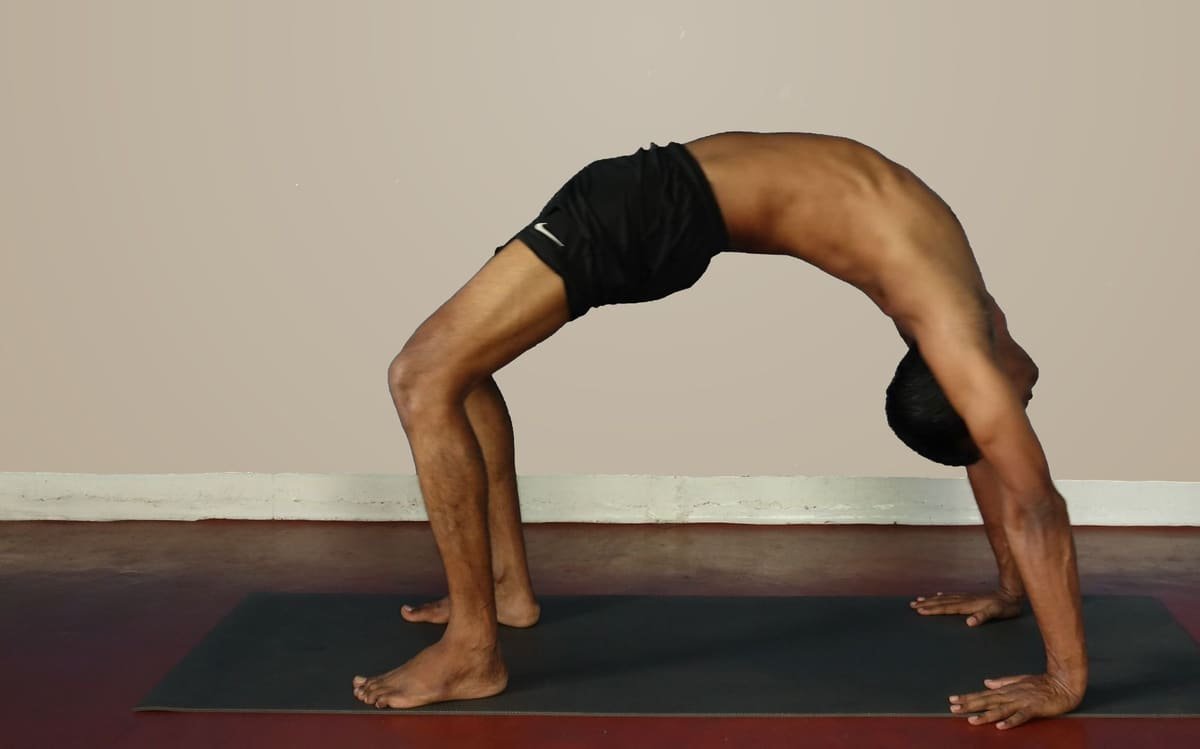
The first series of Ashtanga Vinyasa Yoga, known as Yoga Chikitsa, "yoga therapy". Its forward bends, twists and hip openers cleanse and realign the body, strengthen the core and calm the nervous system.
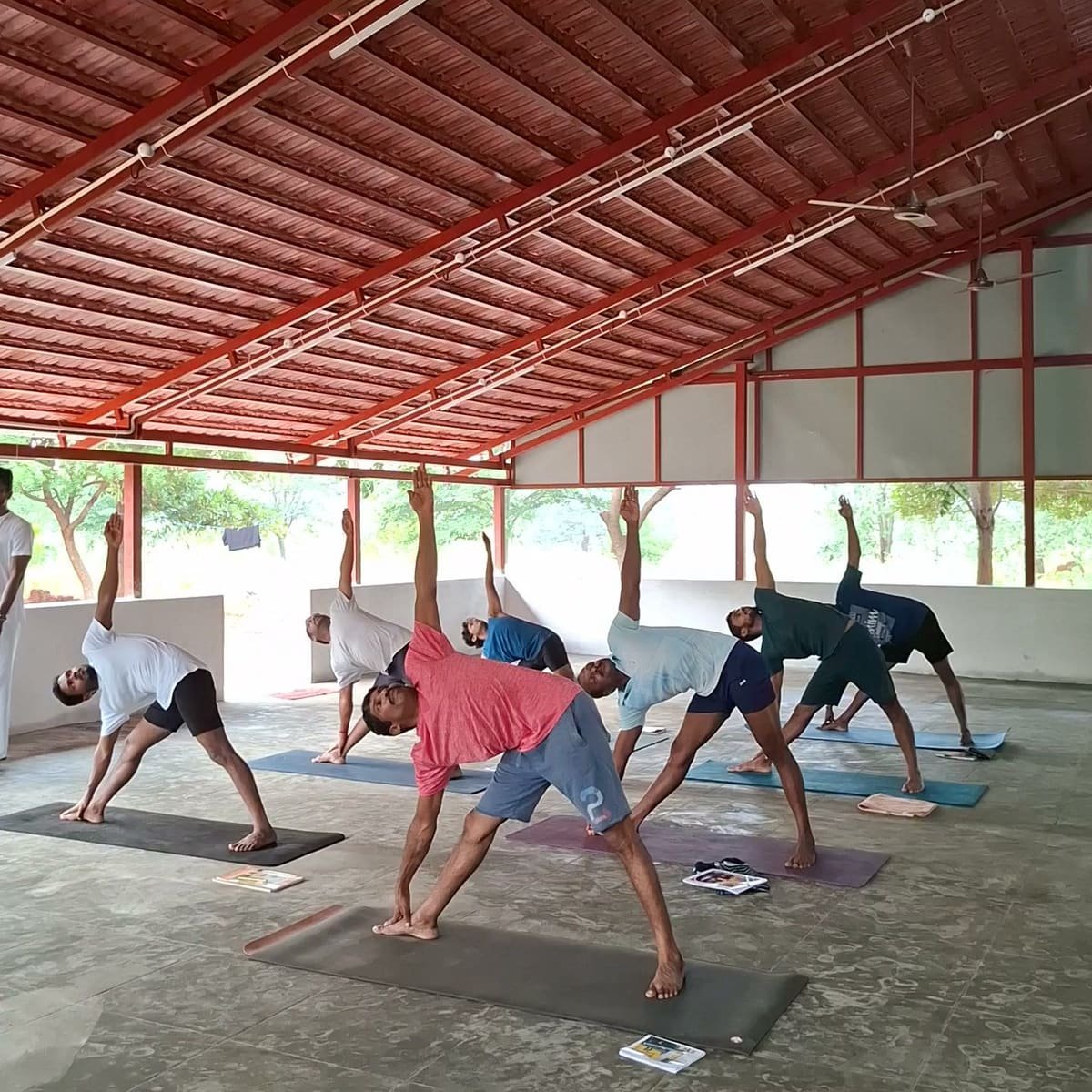
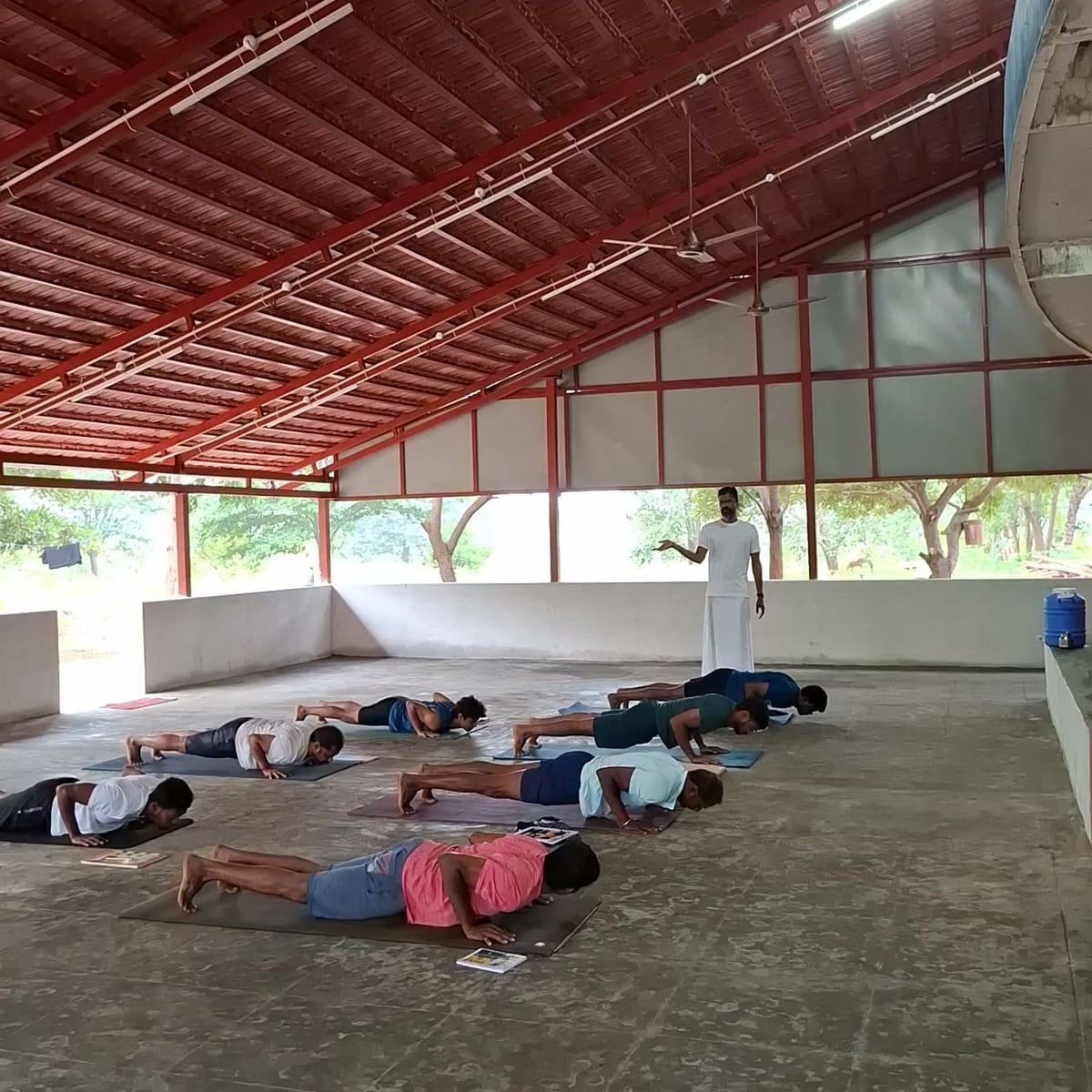
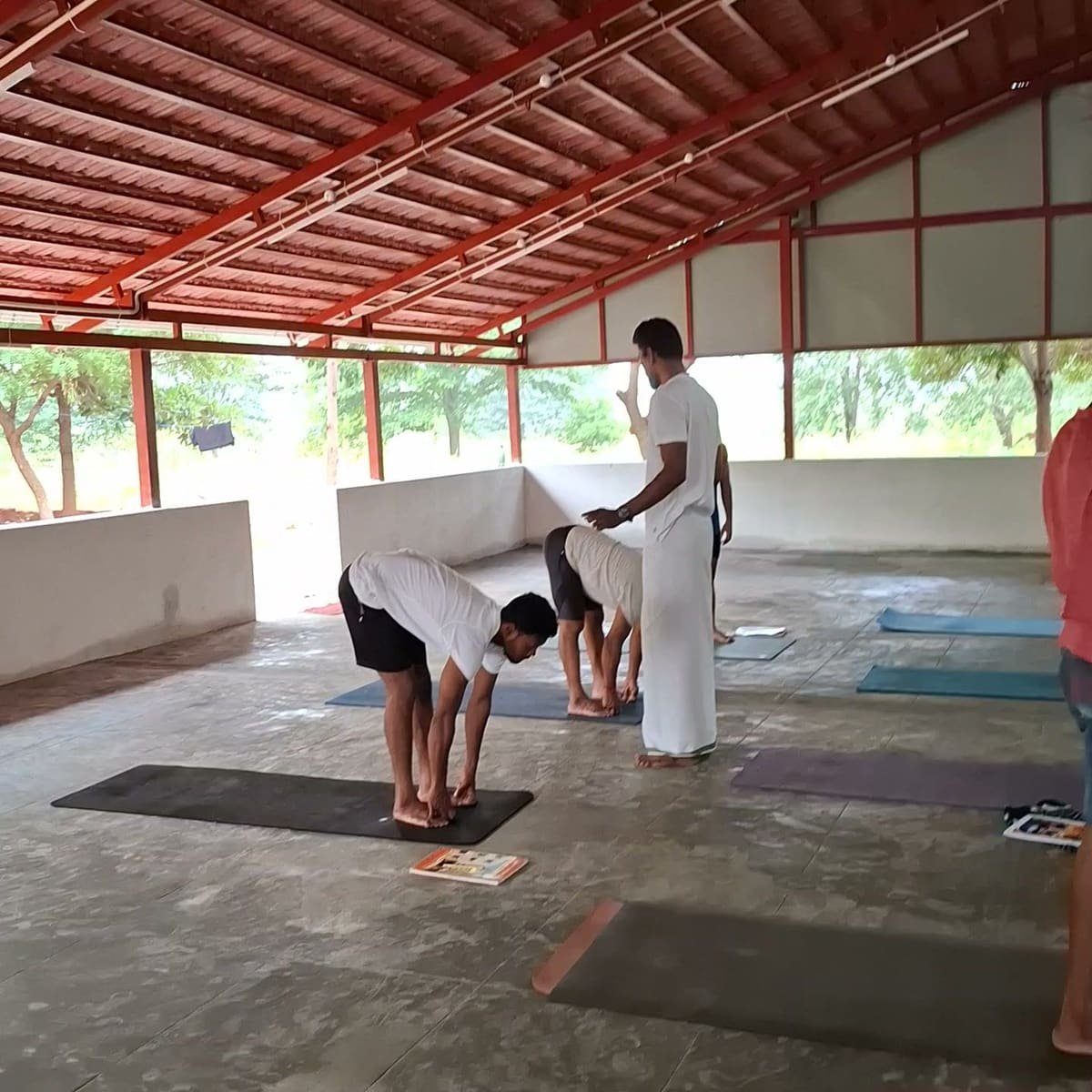
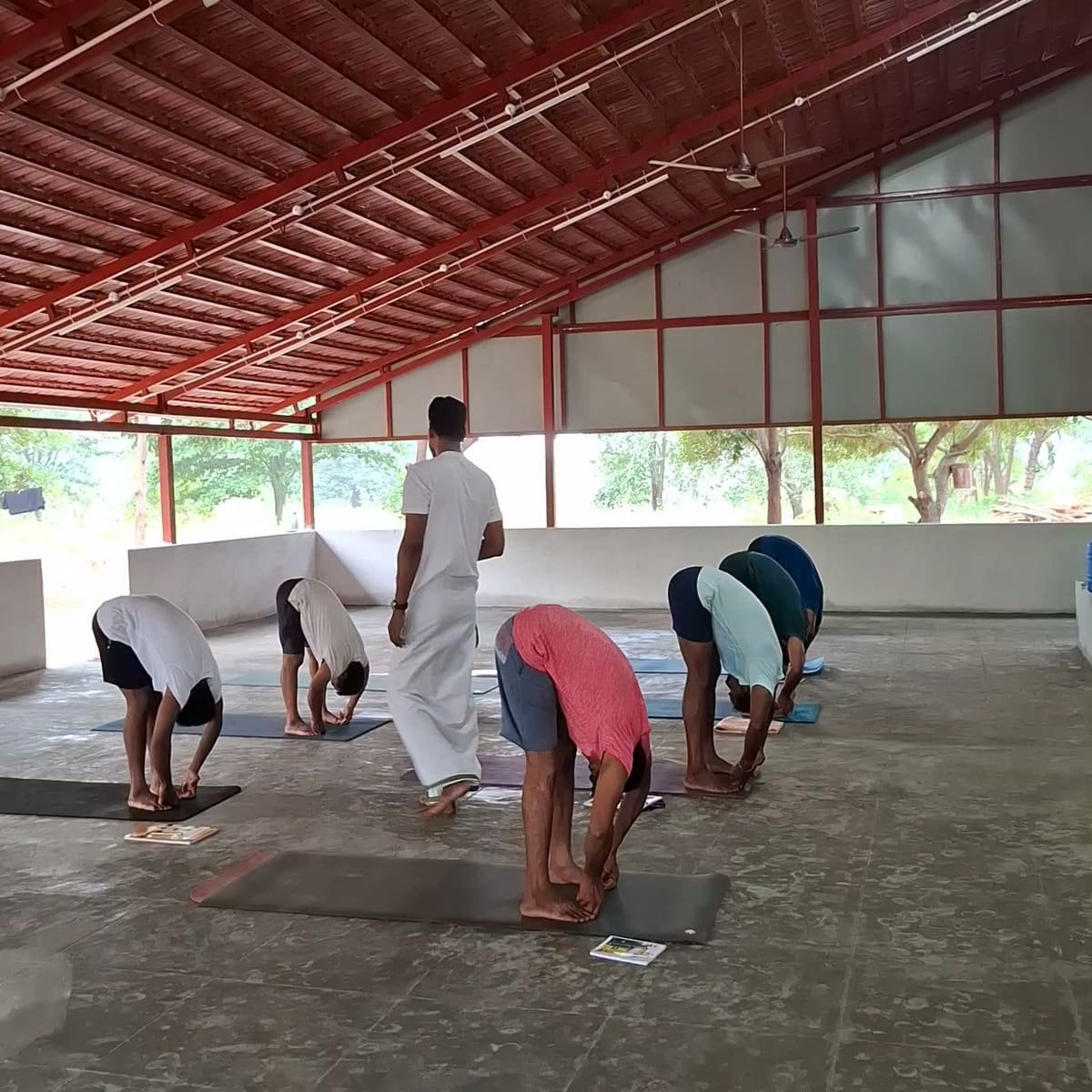
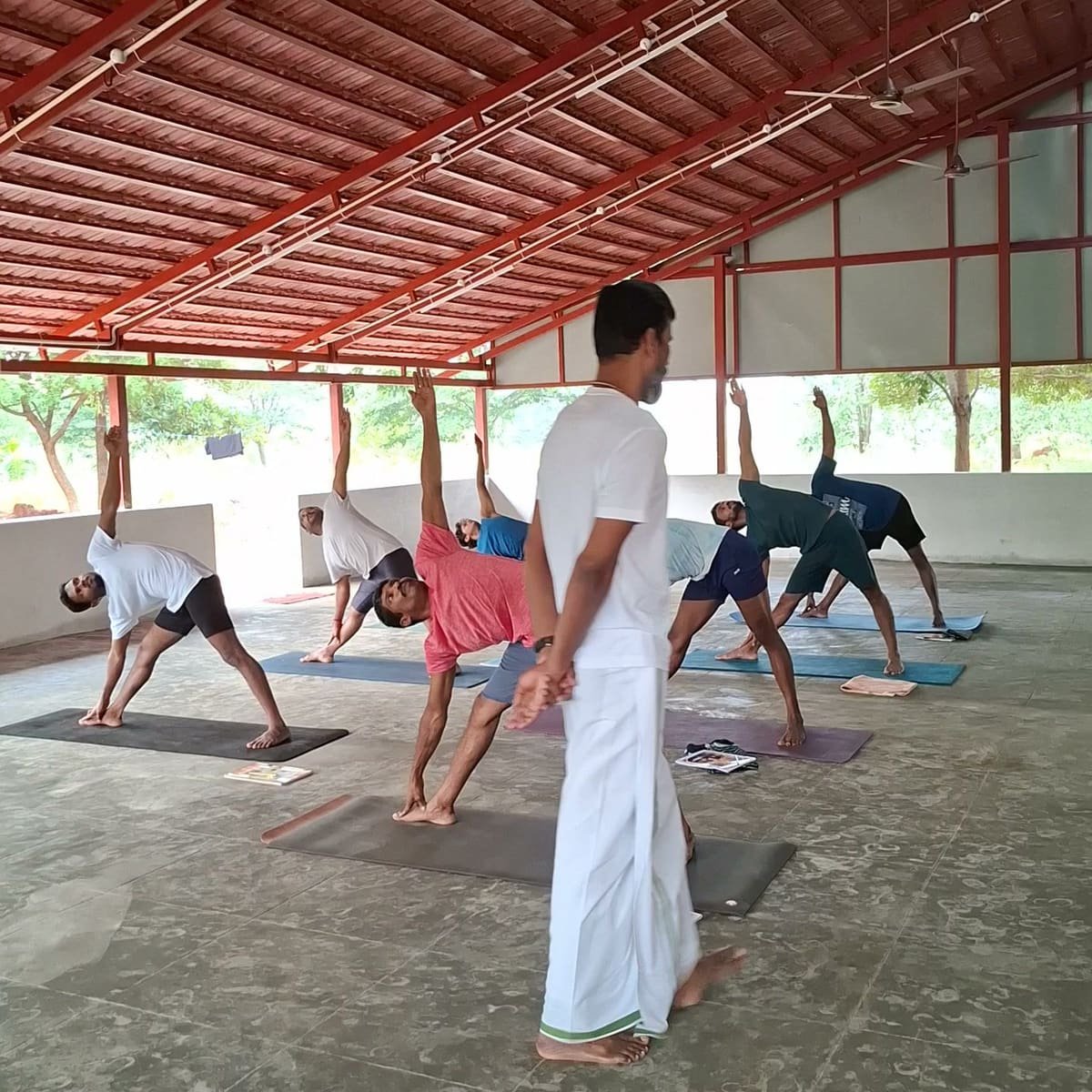
A full practice takes about ninety minutes and always follows the same order: Suryanamaskar, the standing postures, the seated sequence and the finishing postures. Students learn it posture by posture, adding the next only when the last is steady. At the academy it is taught both in led classes and in Mysore style, where each student practises at their own pace with individual guidance.
Primary Series (Yoga Chikitsa)
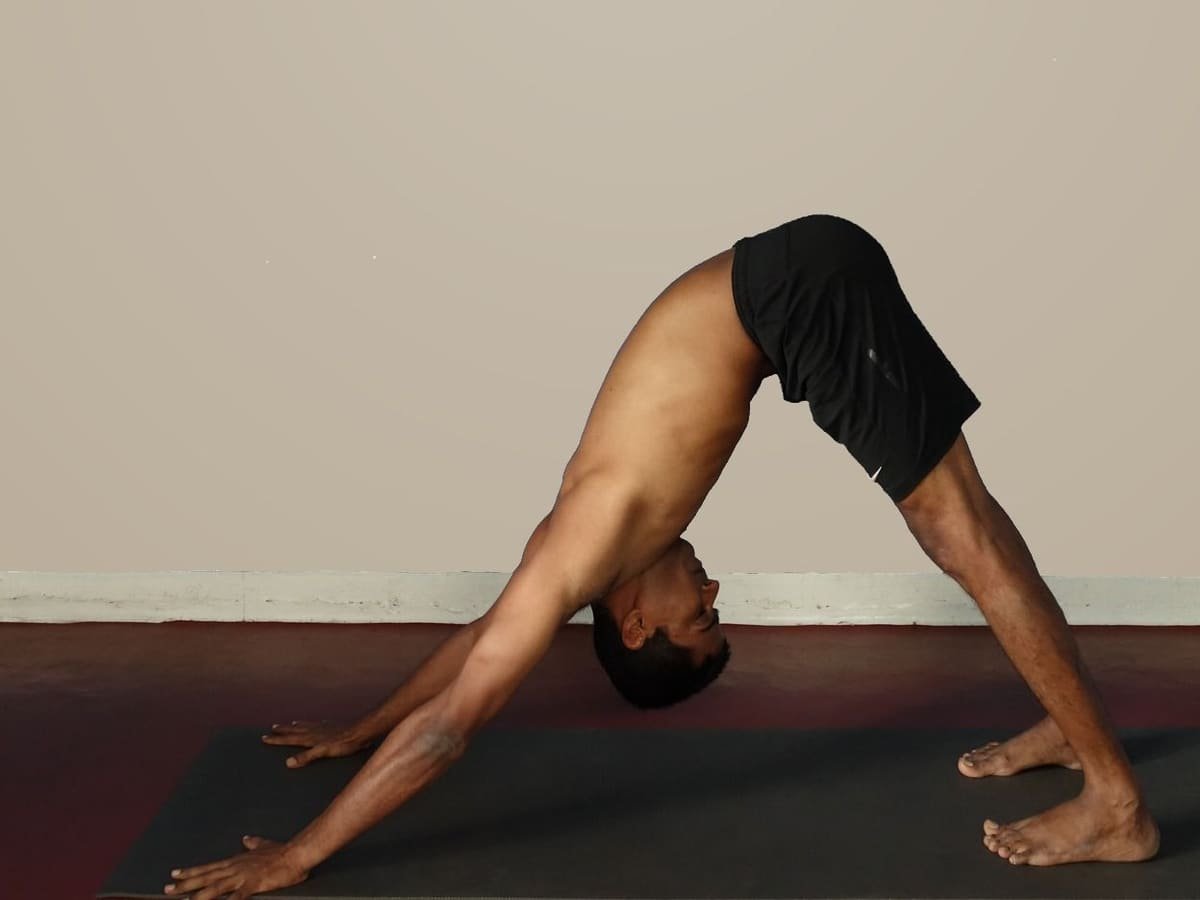
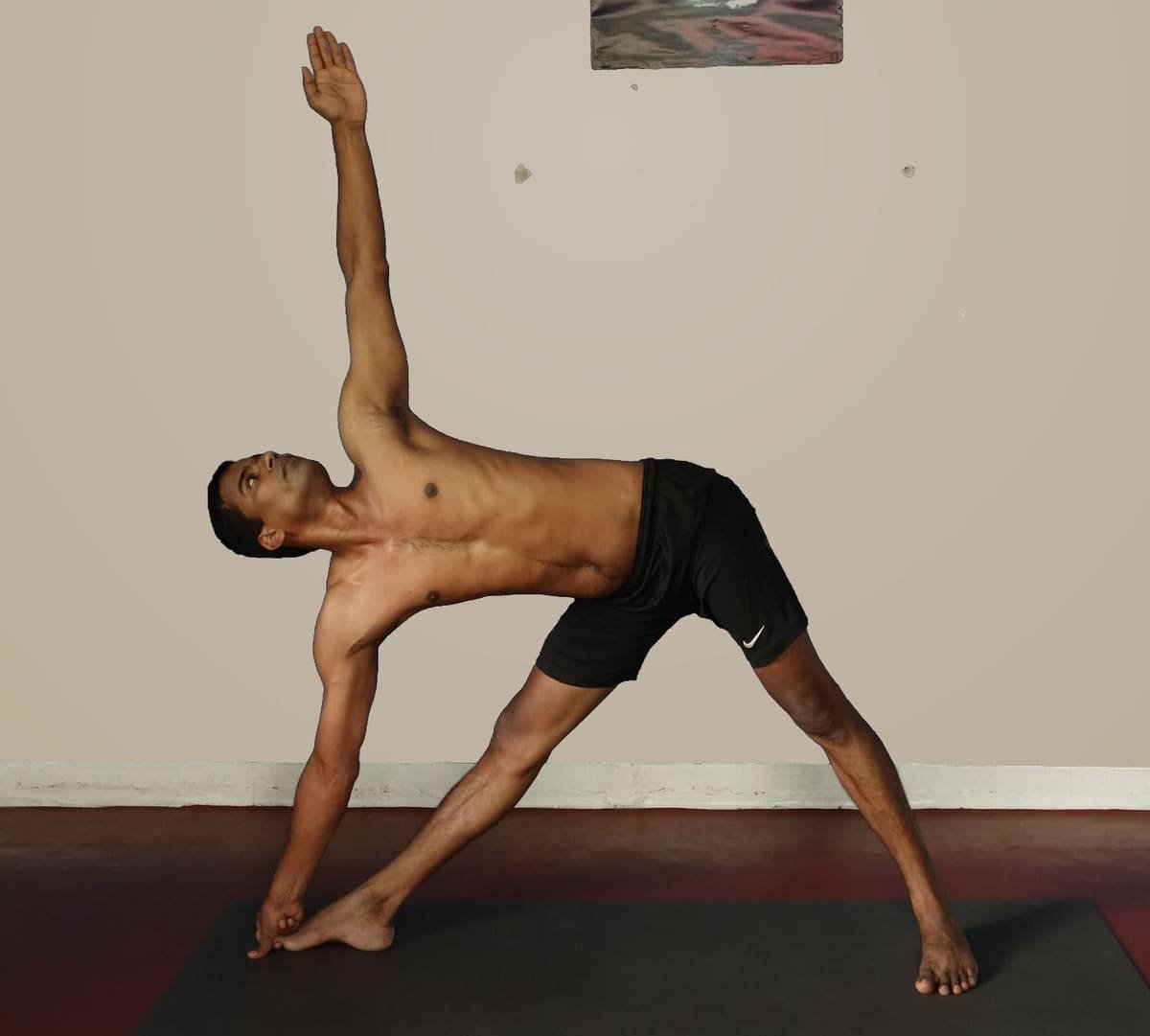
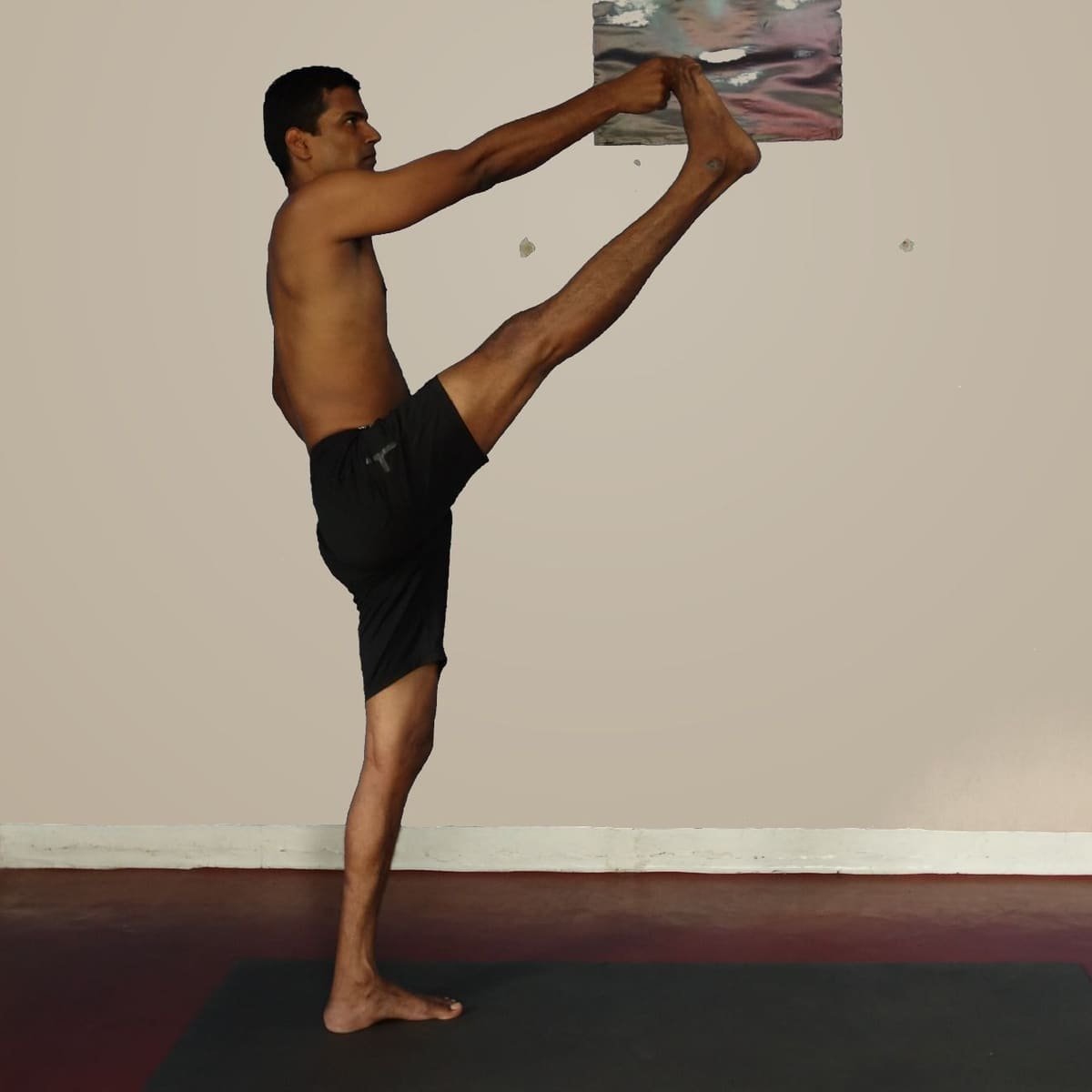
In class
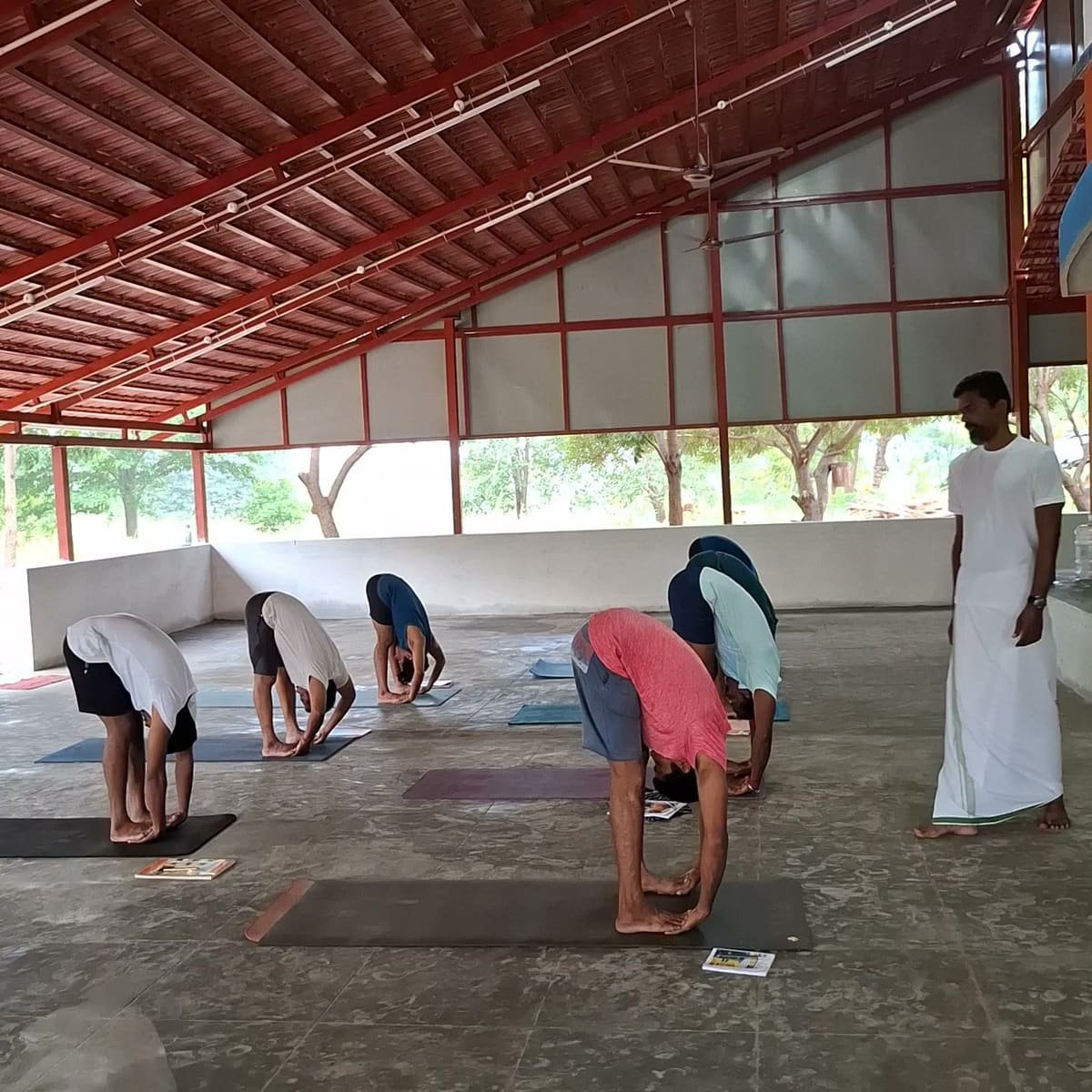
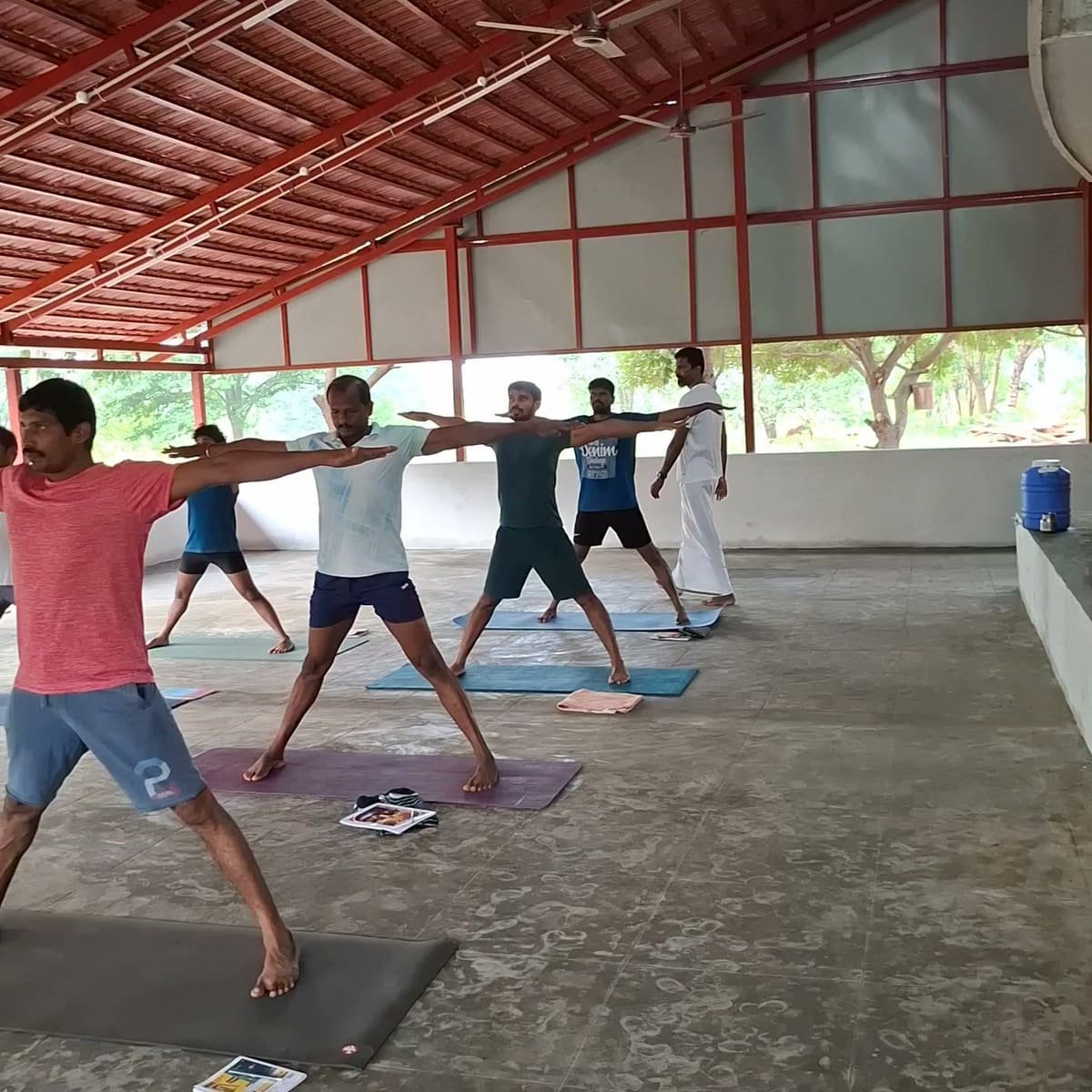
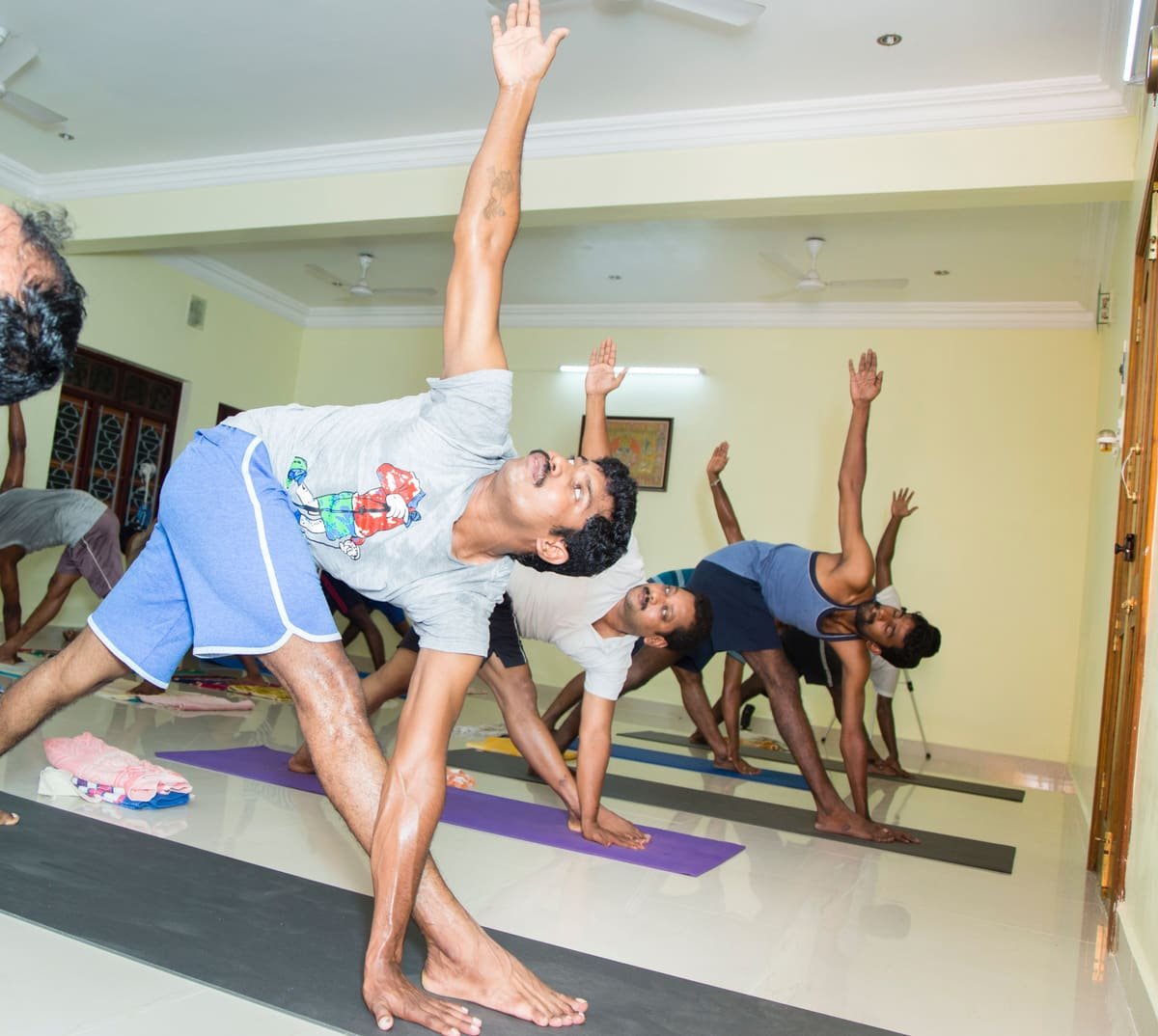
Benefits
Ashtanga Vinyasa moves: breath and movement linked in one continuous flow, the same sequence every day. It builds internal heat, rhythm and discipline.
If you are new
Suryanamaskar alone leaves you warm and alert. You learn the Ujjayi breath, the count and the first postures one at a time, at your own pace, adding the next only when the last is steady.
With regular practice
Evenly on both sides, with stamina and a lighter body. Because the order never changes, the mind stops planning and follows the breath: the practice becomes a moving meditation.
After years of practice
The sequence becomes self-practice, Mysore style. Breath, bandha and gaze stay steady through effort, and that steadiness carries into the rest of the day. When the body is ready, the next series opens.
A typical session
Best suited to: people who enjoy a dynamic, disciplined daily practice, active people and athletes, and experienced practitioners looking for depth. Prefer a slower, therapeutic practice? See Traditional Hatha Yoga →
Questions & answers
A form of Hatha Yoga in which every movement is linked to the breath and the postures follow a set sequence. It comes from the teaching of Sri T. Krishnamacharya, carried forward by Sri K. Pattabhi Jois in Mysore.
Yes, when it is taught step by step. You begin with Surya Namaskara A and B and a few postures, and new postures are added only when you are ready.
The first sequence of Ashtanga Vinyasa: Surya Namaskara, standing postures, a seated sequence and finishing postures. It is known as Yoga Chikitsa, yoga therapy, because it cleanses and strengthens the body.
Each student practises the sequence at their own breath and pace while the teacher gives the next posture, adjusts and helps individually.
Ashtanga Vinyasa is continuous and dynamic, with a fixed sequence and Ujjayi breath throughout. Traditional Hatha is slower, with postures held and adapted, plus dedicated pranayama.
More answers on the questions & answers page. Ask your own question, or ask us on WhatsApp.