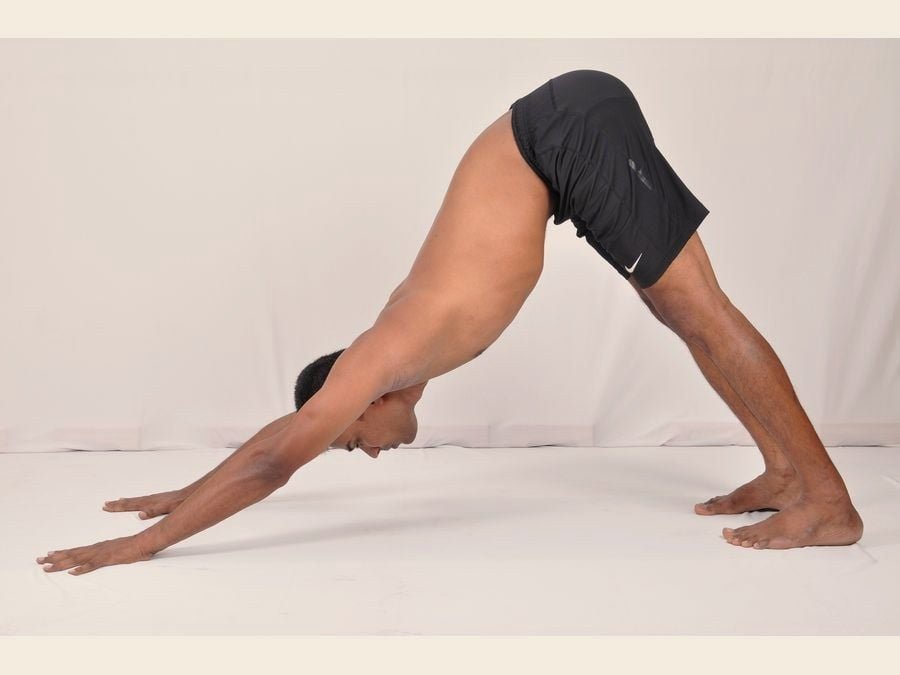
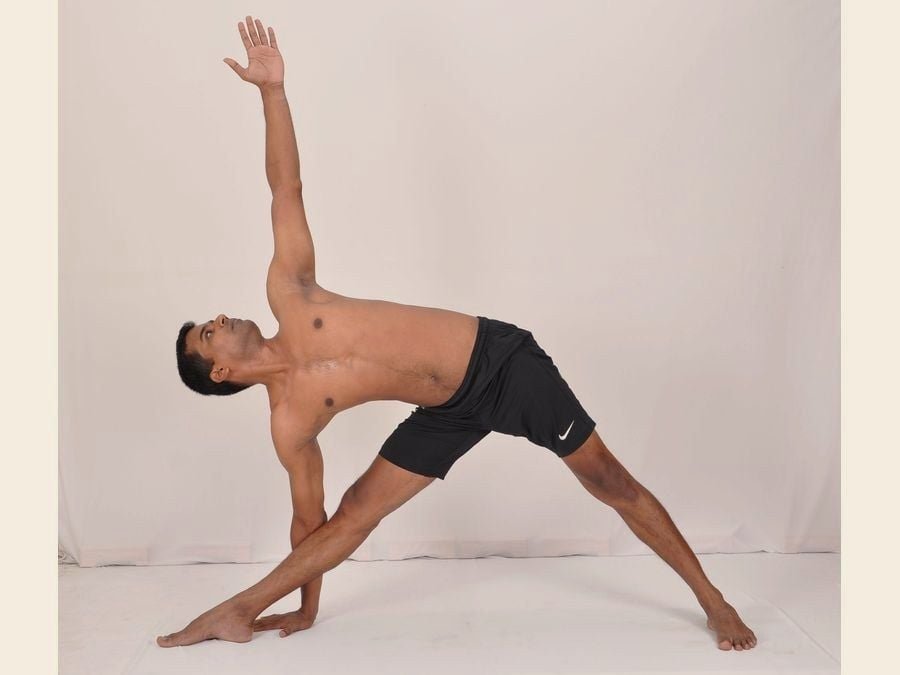
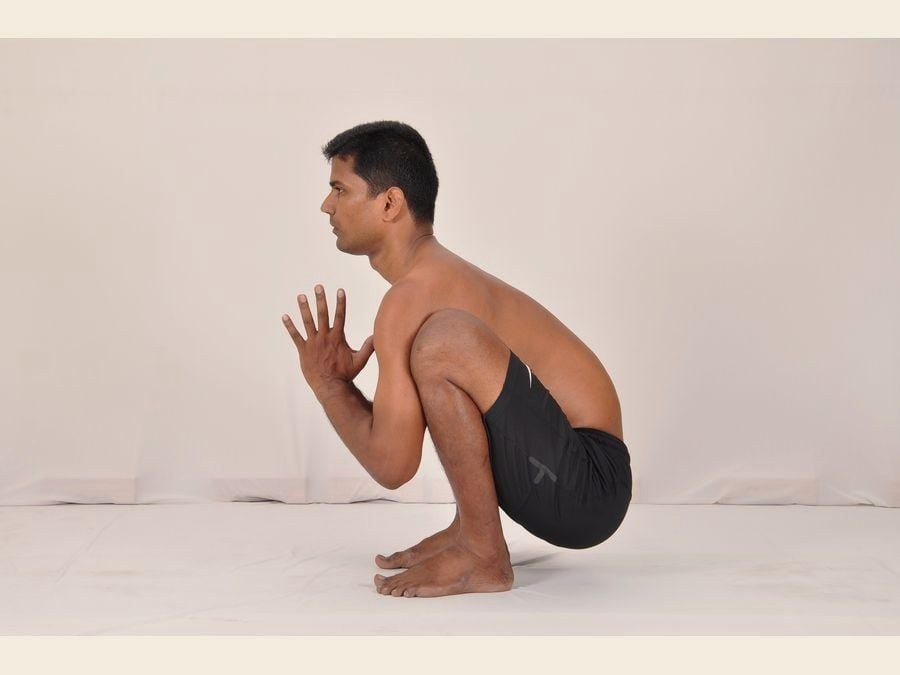
Shatkarma, asana, pranayama, mudra, bandha and meditation: the complete classical discipline, taught in the South Indian tradition.
The tradition
A complete discipline, not a workout
"Ha" and "tha" are traditionally read as the sun and the moon: the warming and cooling, active and receptive forces in every person. Hatha Yoga brings them into balance through the body and the breath.
The classical texts, above all the Hatha Yoga Pradipika of Svatmarama and the Gheranda Samhita, describe a step-by-step path: cleansing (shatkarma), posture (asana), breath (pranayama), seals and locks (mudra and bandha), leading to concentration and meditation. Hatha Yoga was never meant as exercise alone. It prepares body and mind for stillness.
Rooted in this tradition, Yogapyasa blends classical teaching with modern needs, so that posture prepares the body, breath steadies the mind, and meditation reveals what lies beneath.
Ashtanga Vinyasa, also taught at the academy, is a form of Hatha Yoga too: developed through the teaching of Sri T. Krishnamacharya and carried forward by Sri K. Pattabhi Jois and Sri B.K.S. Iyengar.
Six elements, one path
In the order the classical texts describe, from cleansing to meditation
ShatkarmaCleansing the bodyNeti, Dhauti, Nauli, Kapalabhati, Trataka
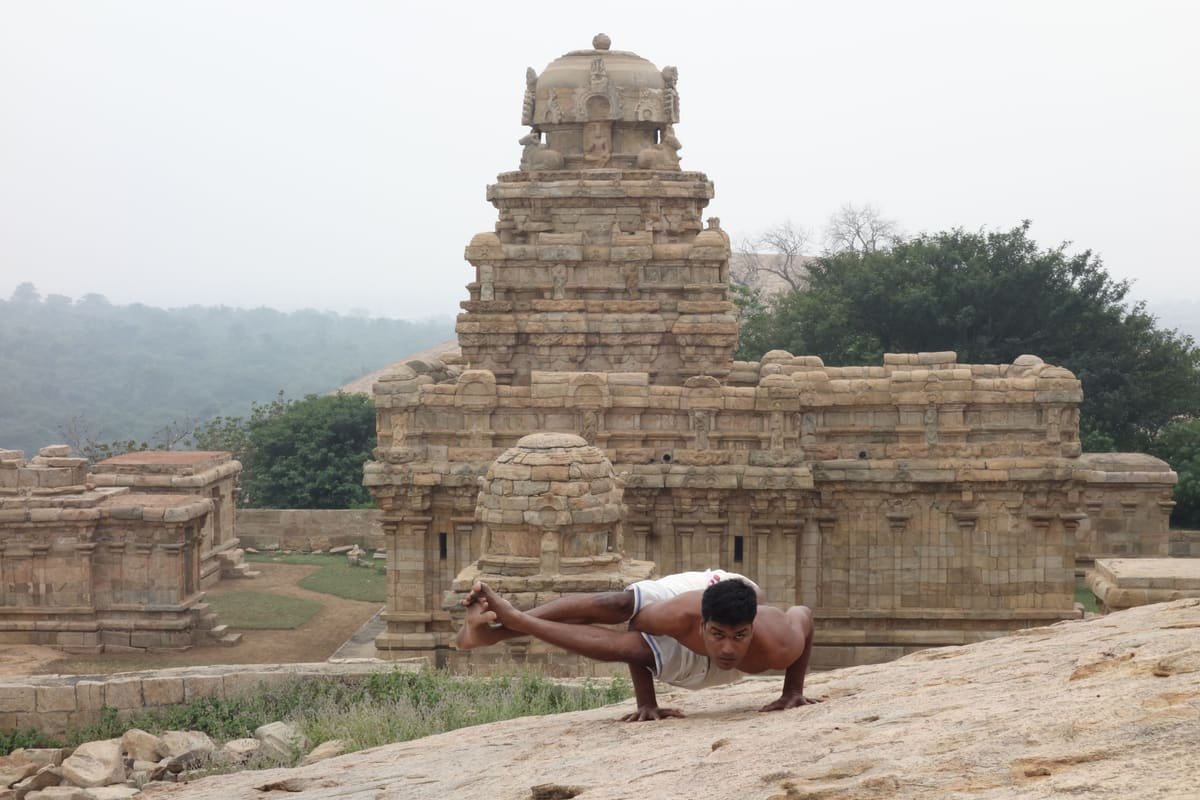
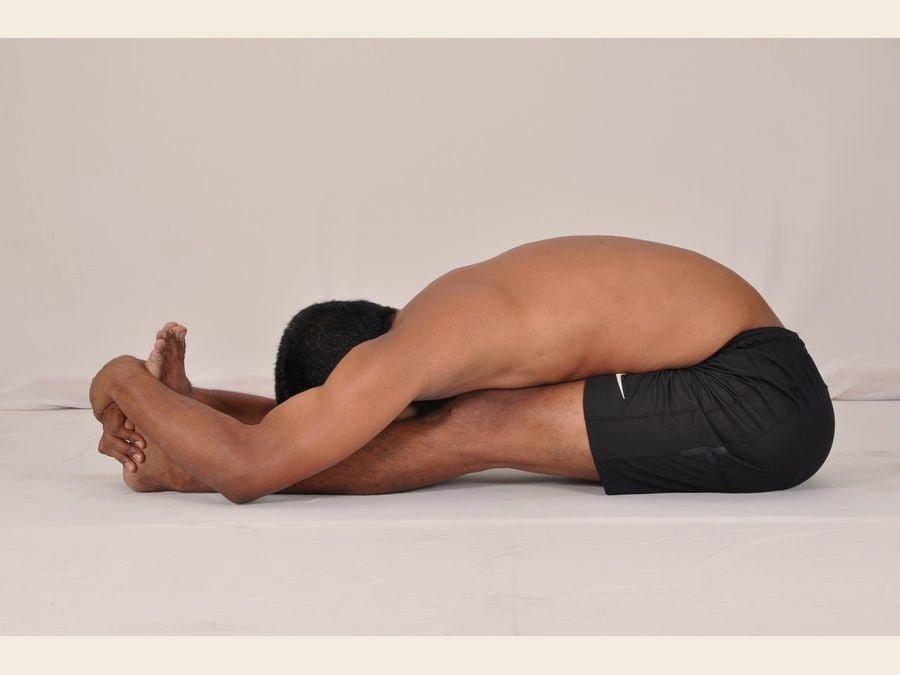
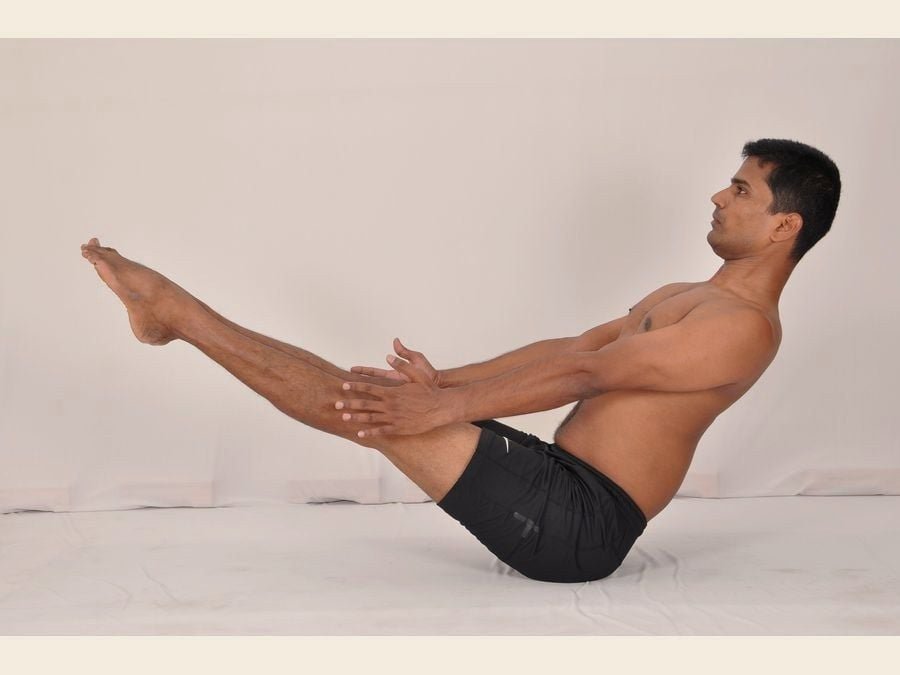
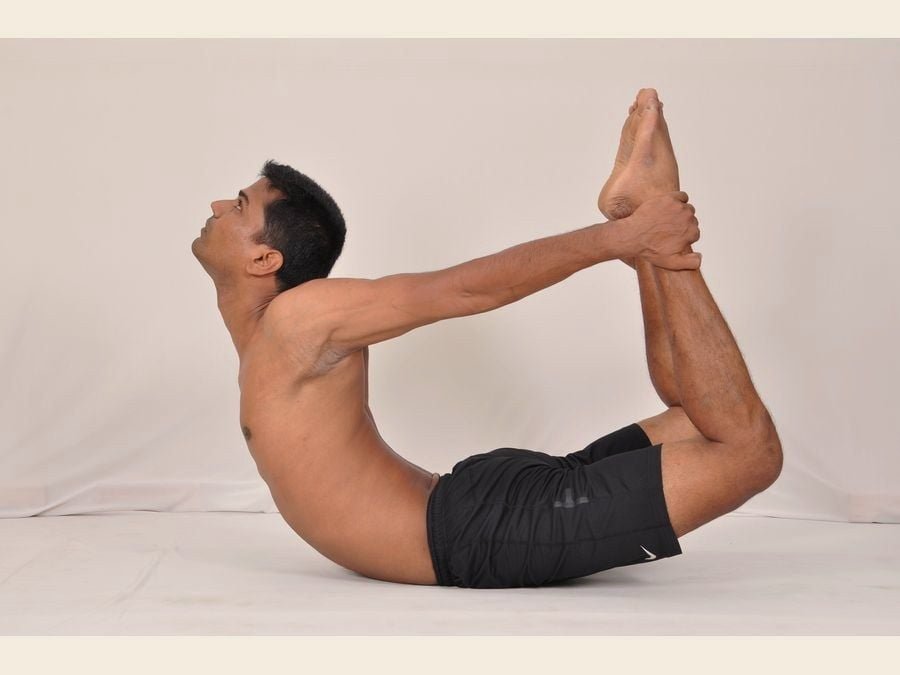
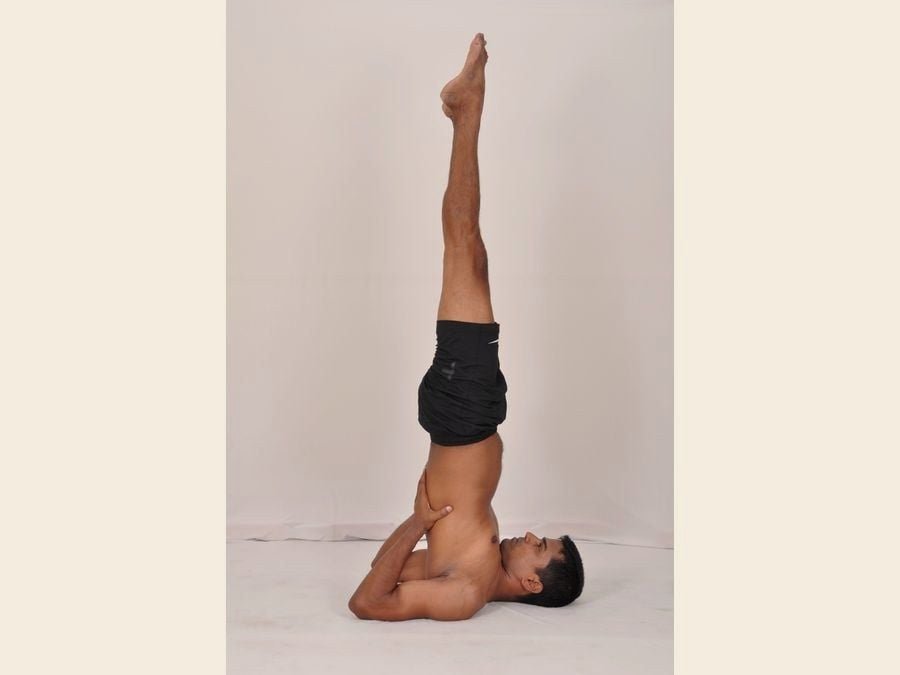
AsanaStrength & steadinessUp to the 84 classical postures
PranayamaMastery of breathNadi Shuddhi, Bhastrika, Bhramari and more
Mudra & BandhaSealing the energyMula, Uddiyana, Jalandhara
MeditationStillness of mindThe goal of every practice
Designed by Yoga Master Shri Senthilkumar
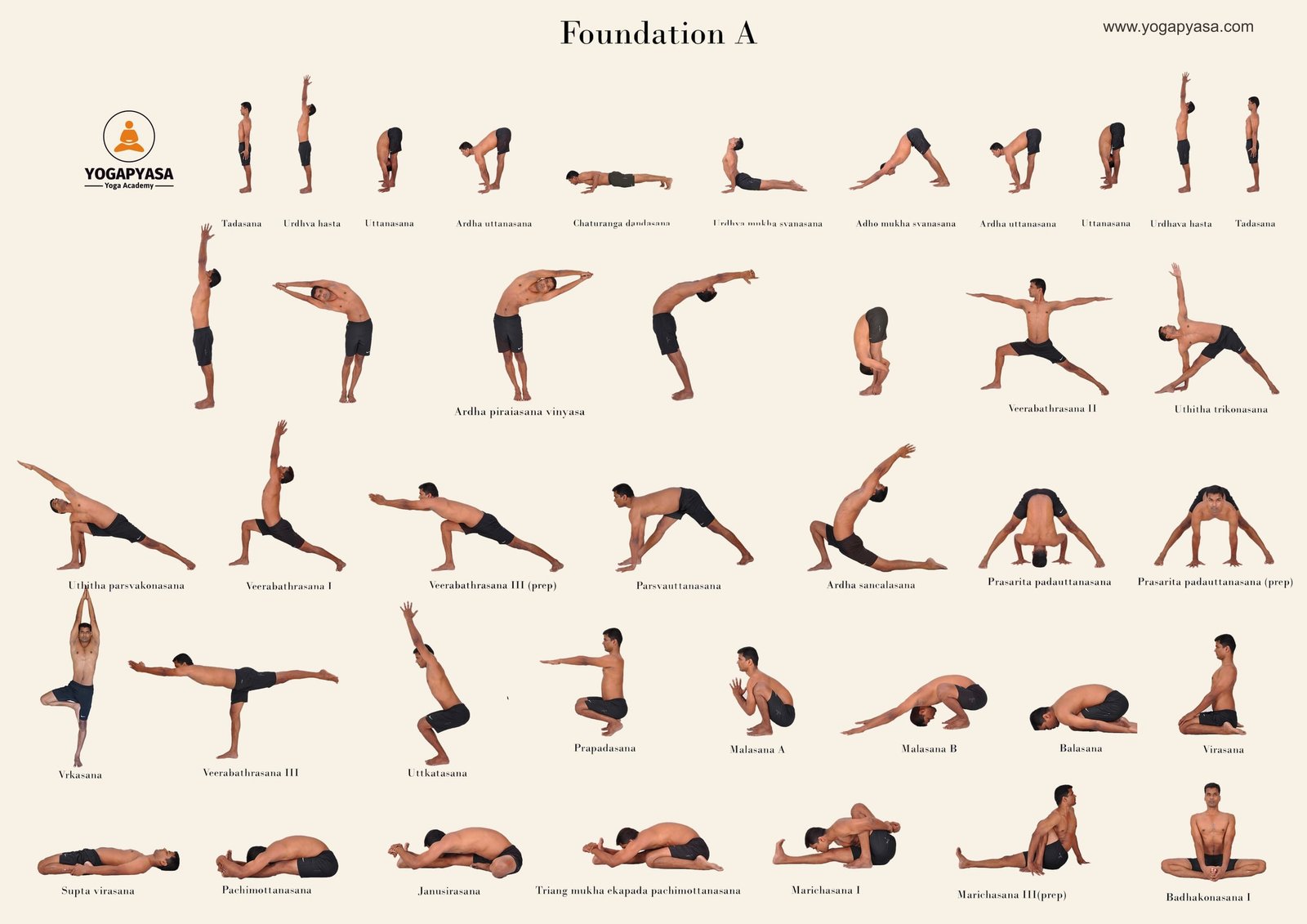
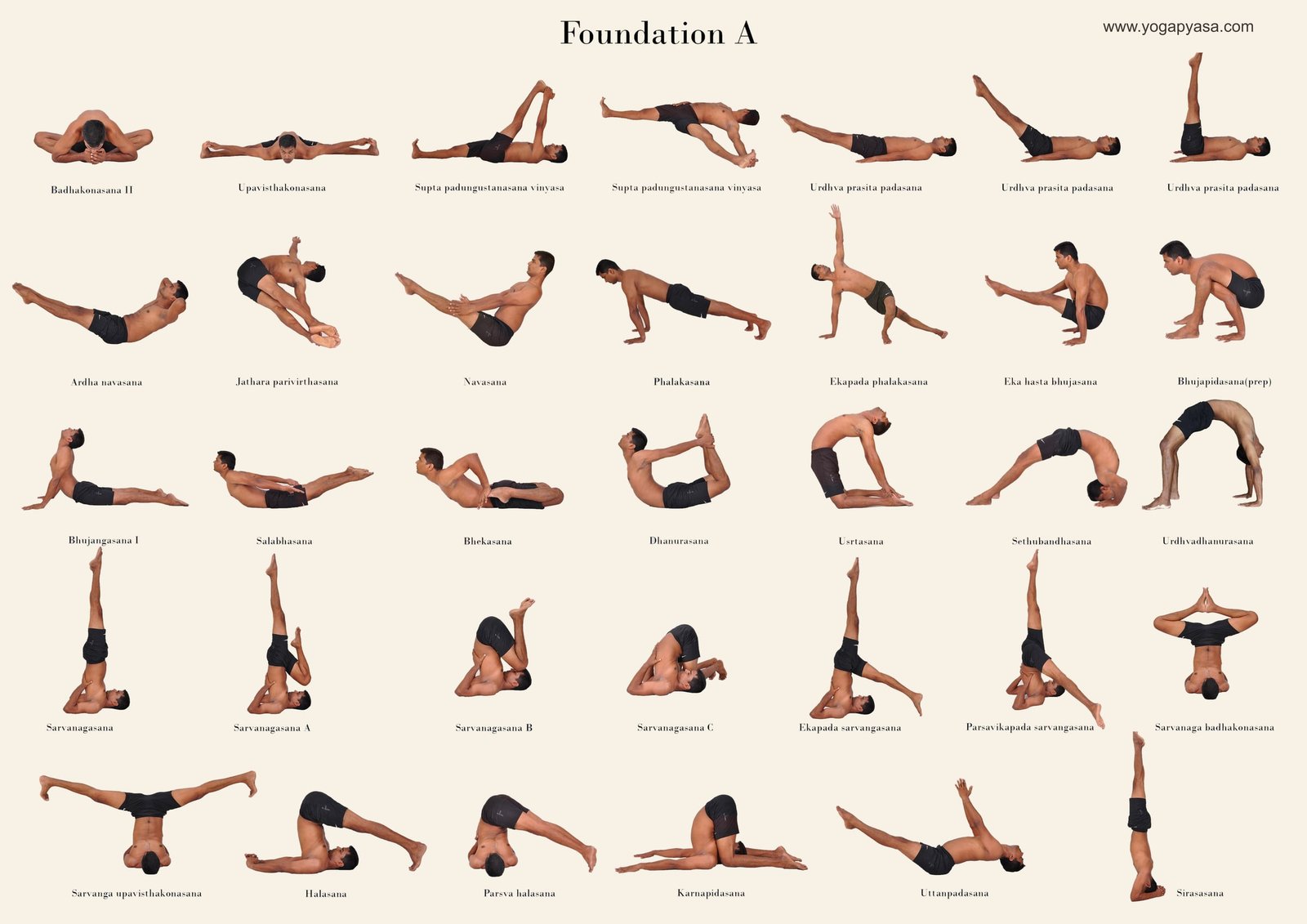
Foundation A
A complete practice sequence designed to work the whole body and mind. Foundation A is not only asanas: it combines Suryanamaskar, a balanced set of postures and three pranayamas, so that every practice session supports both physical and mental health.
It is the foundation on which intermediate and advanced Hatha practice is built, and it suits beginners and regular practitioners alike: each part prepares the next, and the sequence finishes with breathing that settles the whole system.
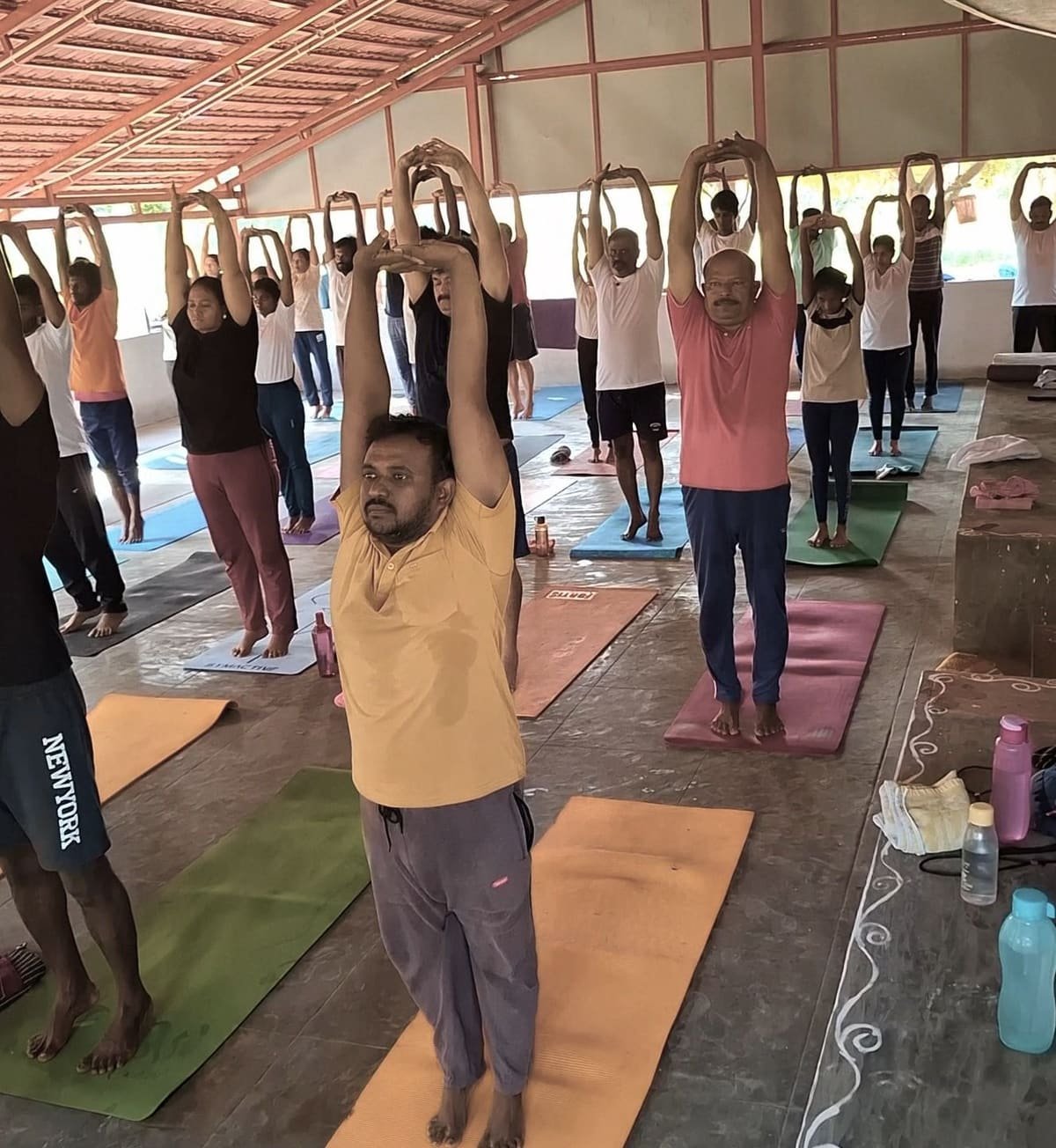
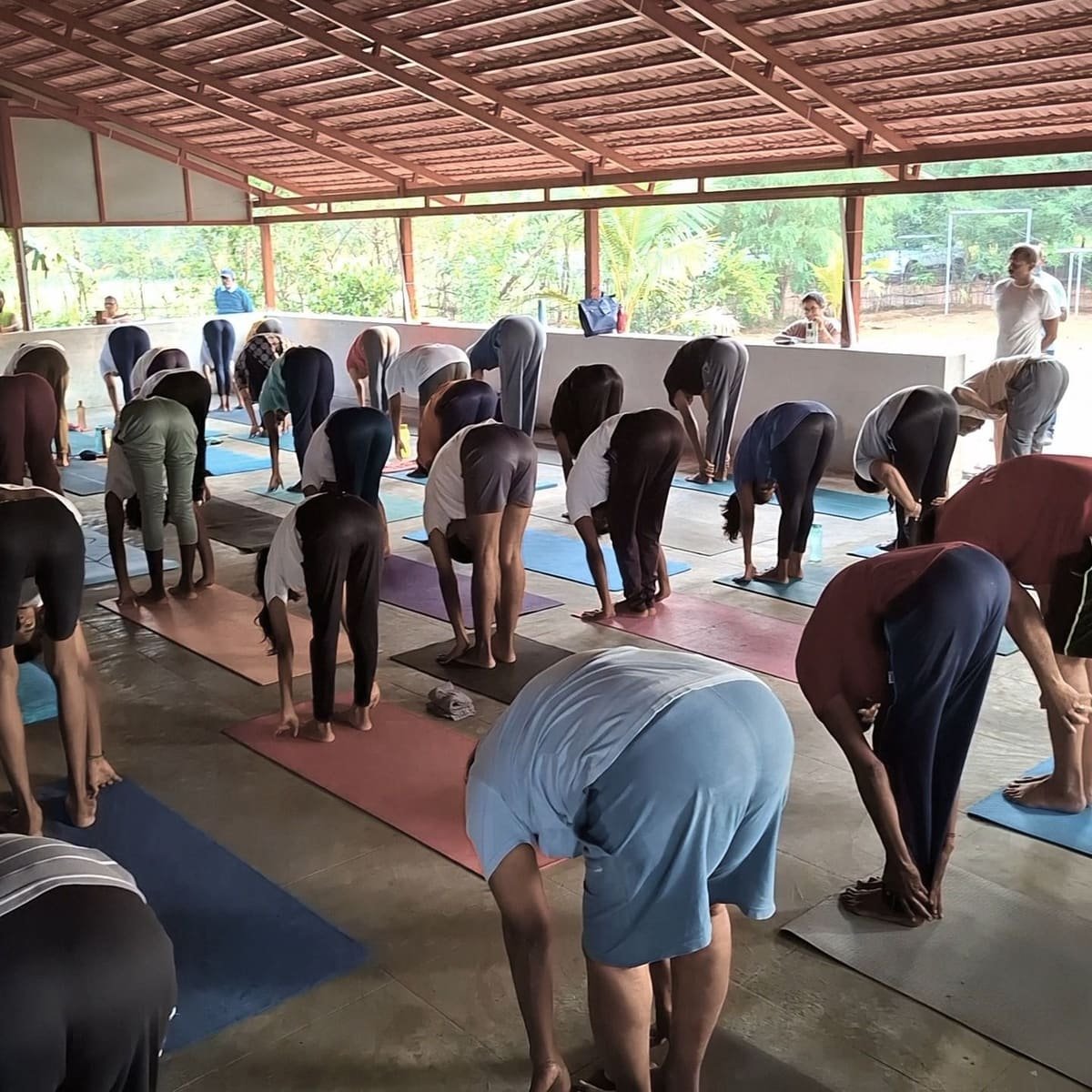
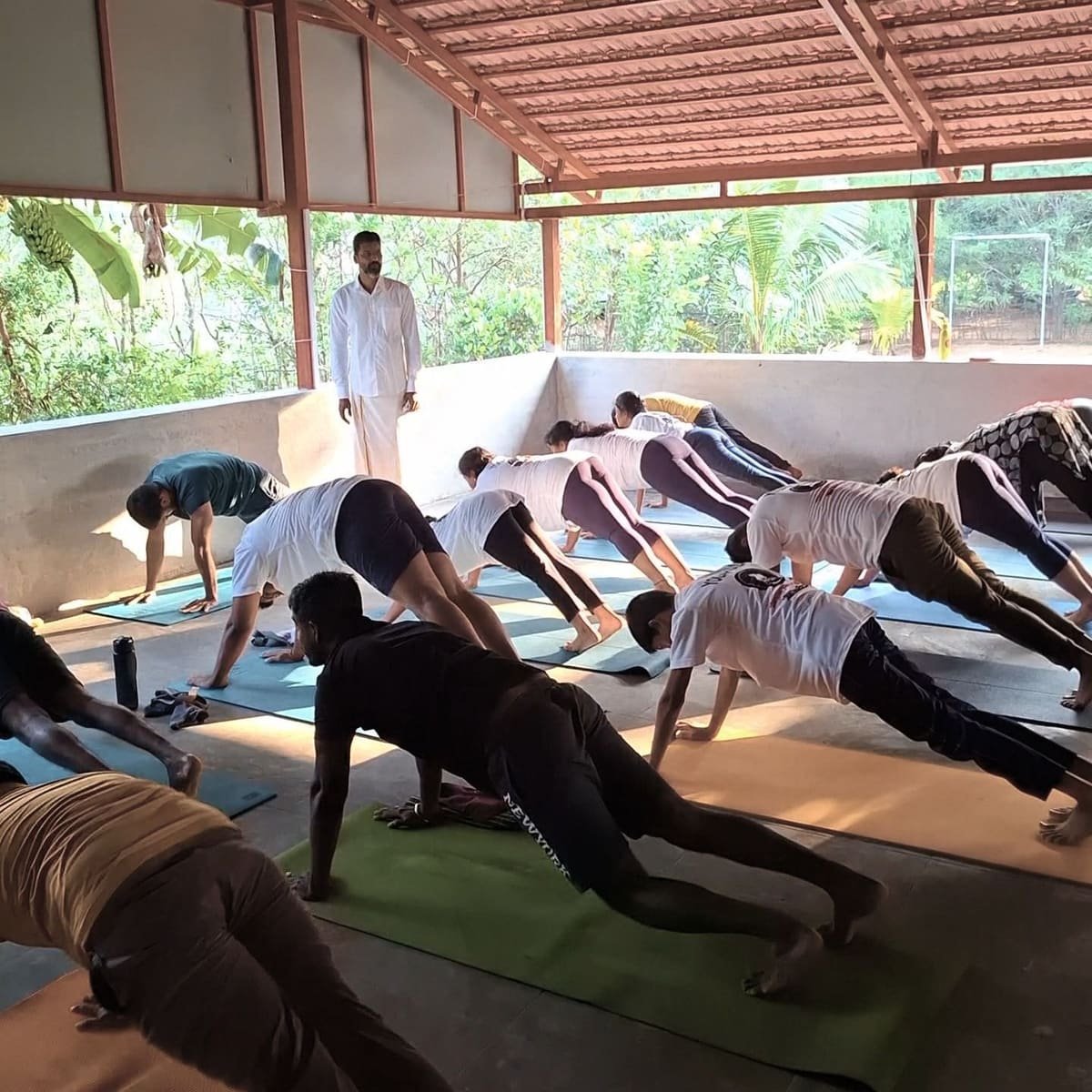
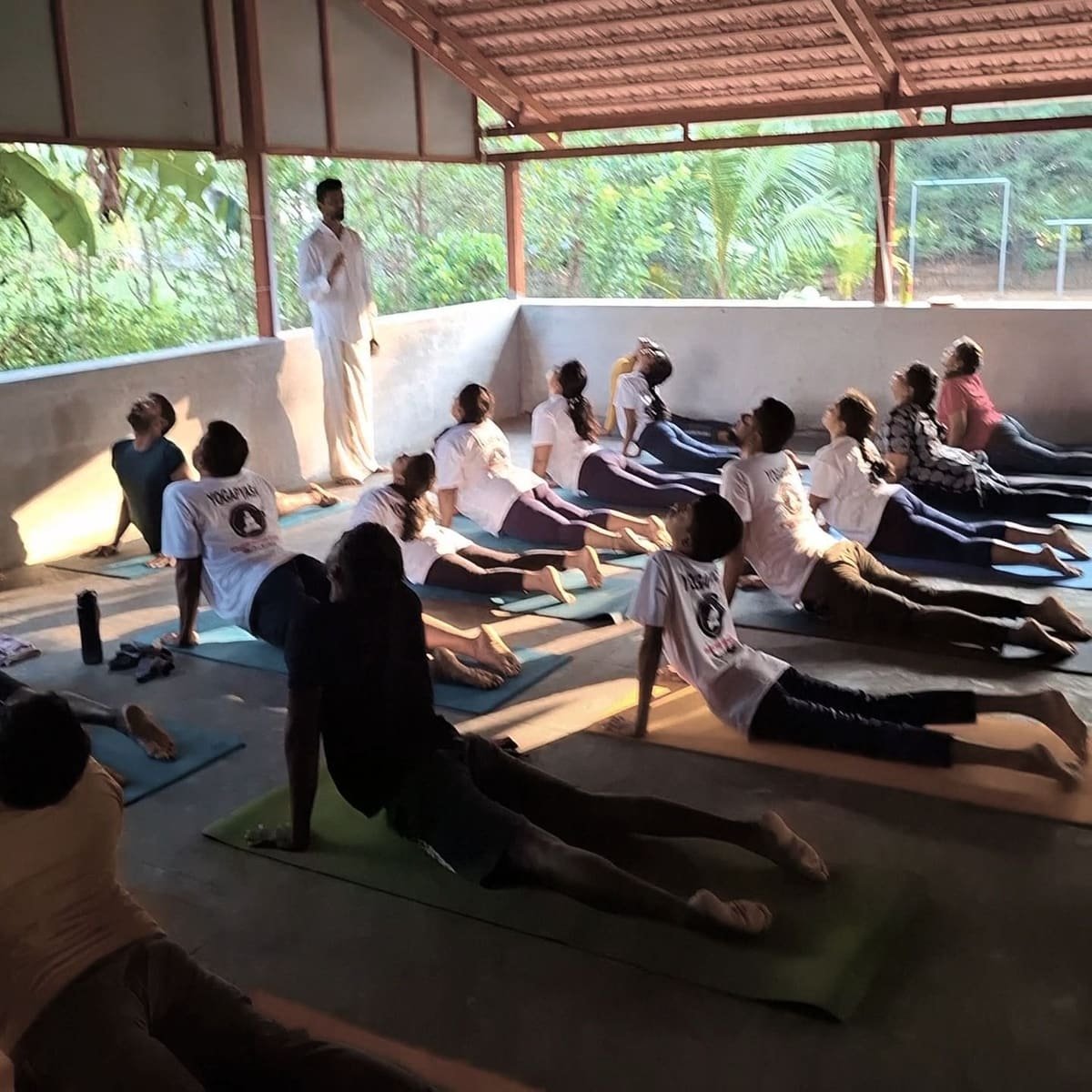
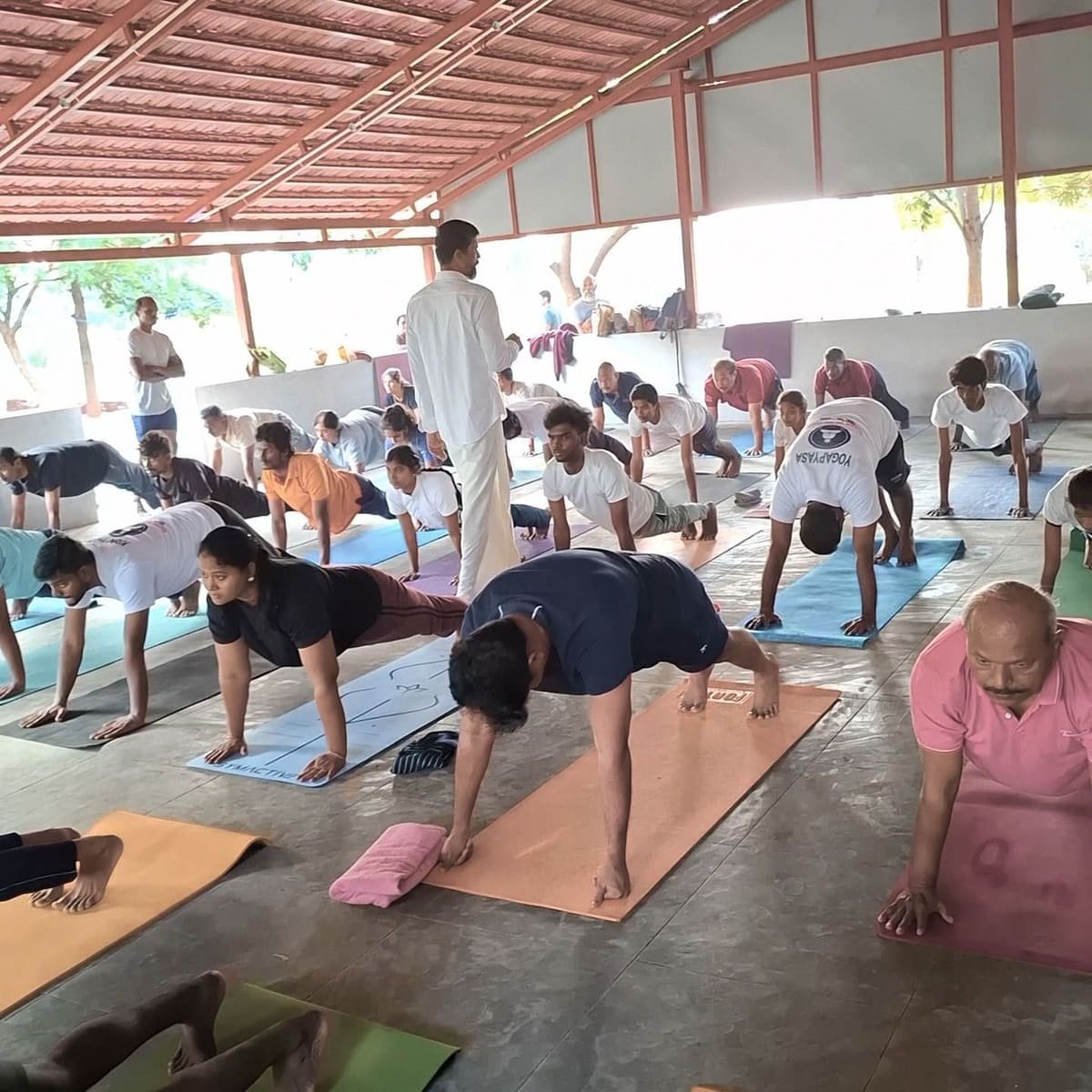
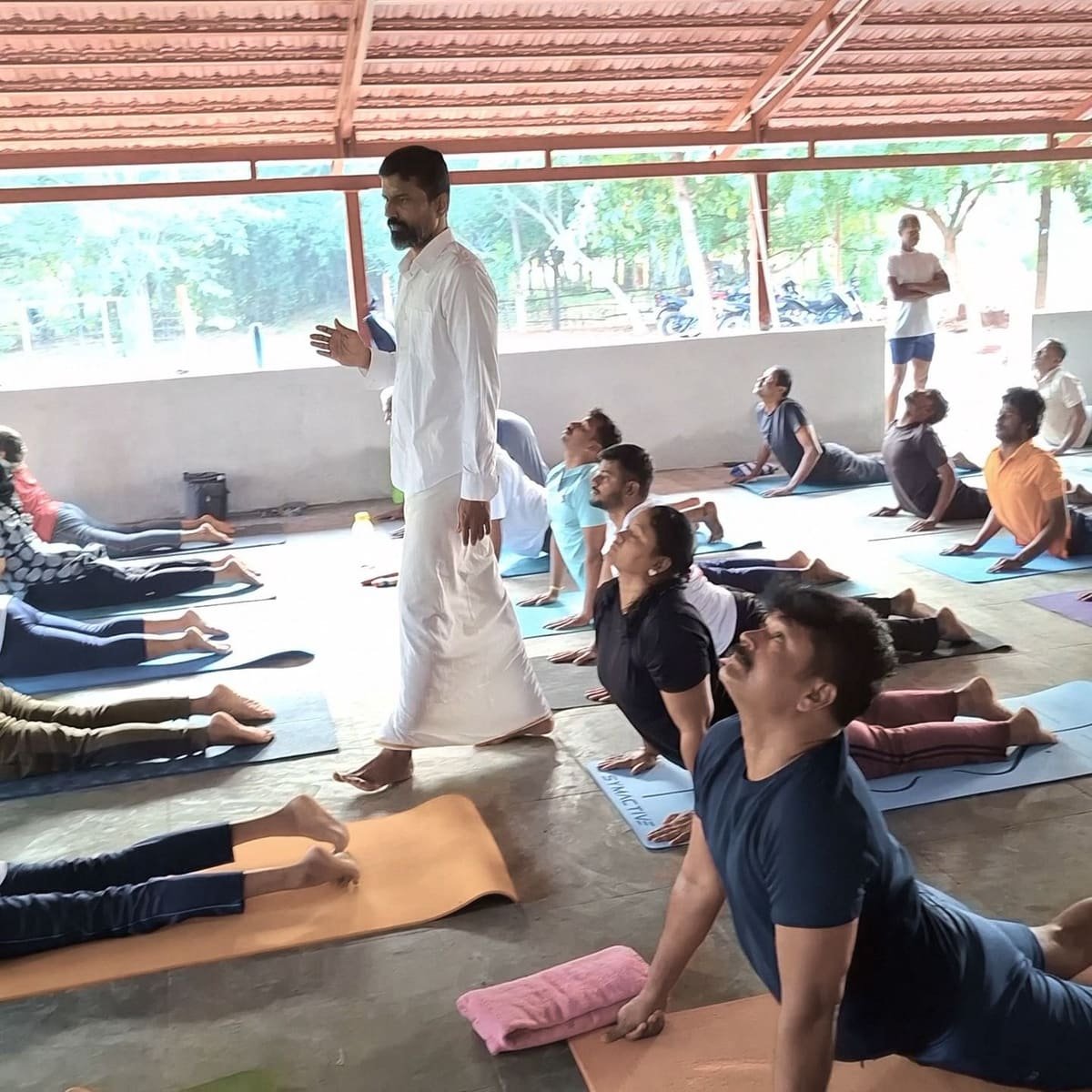
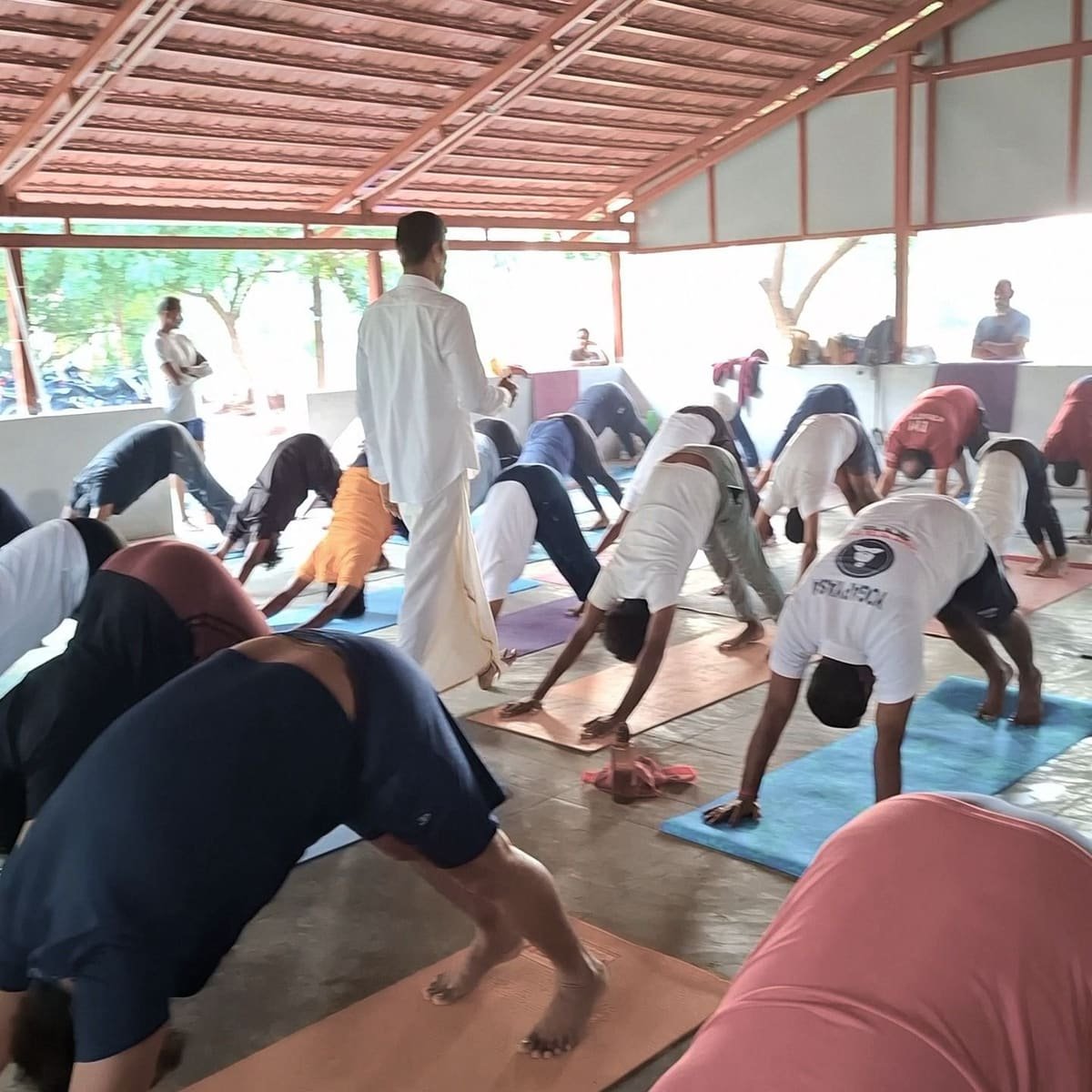
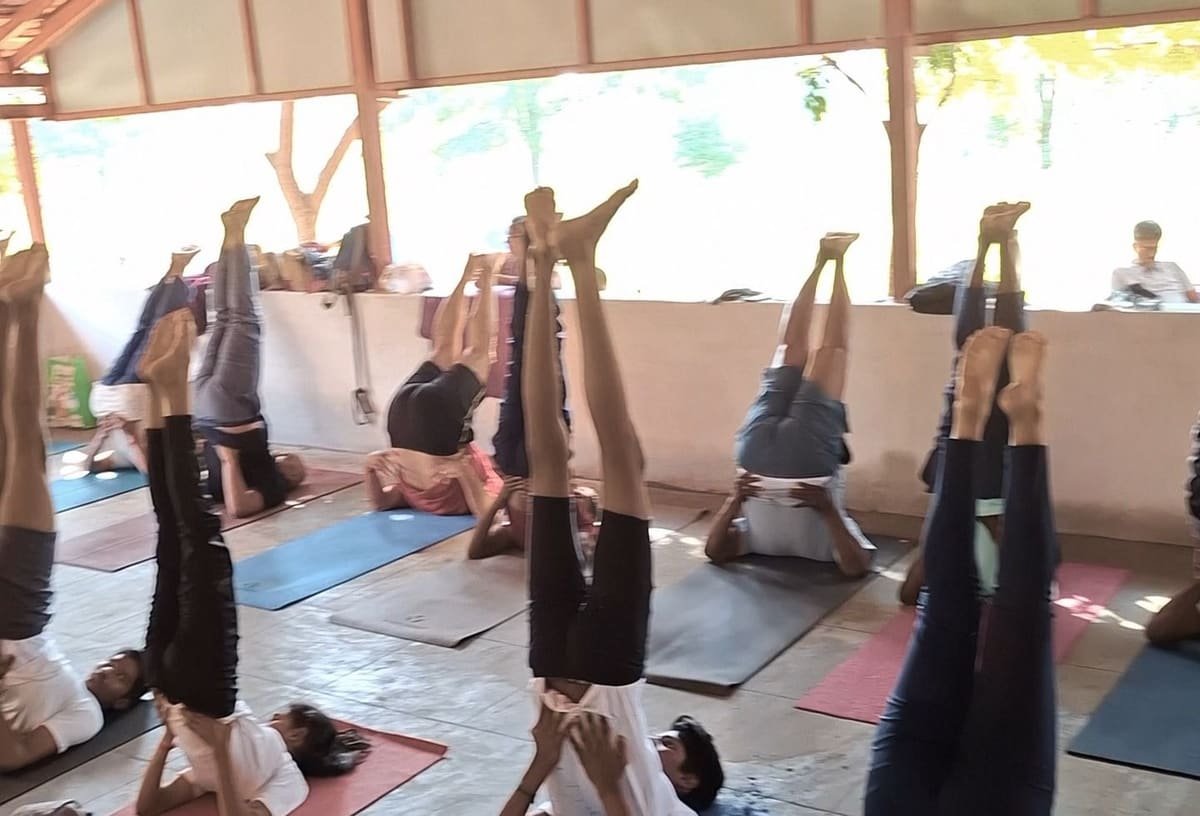
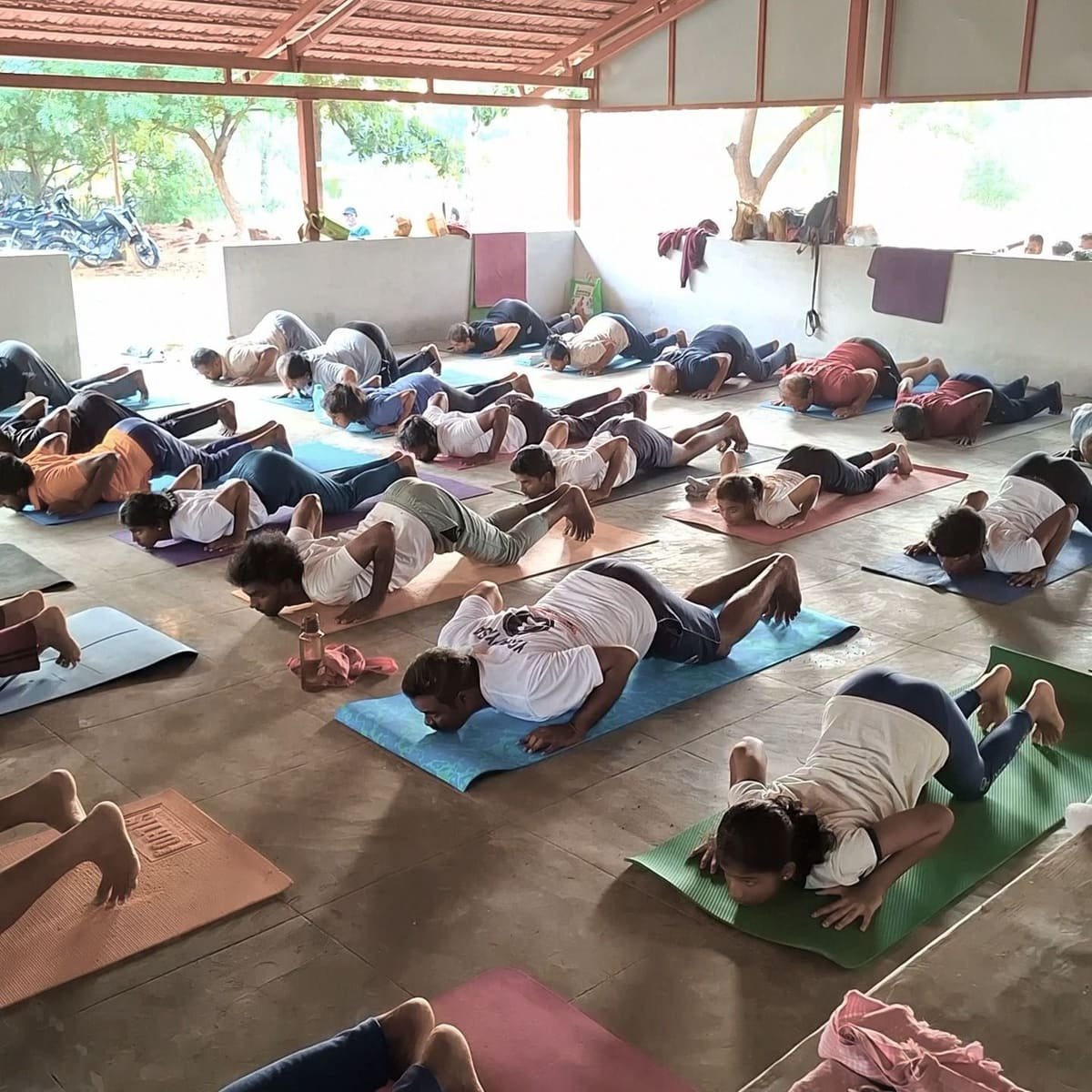
One Traditional Hatha class in the open practice hall
Benefits
What Traditional Hatha Yoga gives you
Hatha works slowly and from the inside: postures held with a steady breath, then pranayama and deep relaxation. The changes are quiet at first, and they go deep.
If you are new
You start to feel your body again
Stiffness begins to ease within weeks and sleep often improves. You learn to breathe into the belly, and a body that felt heavy starts to feel lighter. Nothing is rushed: every posture is adapted to where you are today.
With regular practice
Steadier body, calmer reactions
Joints move freely and the spine stays supple. Holding a posture teaches patience; pranayama softens the way you react to stress. Long-standing aches, digestion and energy through the day often change for the better.
After years of practice
Practice becomes a refuge
The body stays strong and mobile as you age, the breath grows long and quiet, and the mind settles easily into stillness and meditation: the real purpose of Hatha Yoga.
Best suited to: anyone beginning yoga, people healing an injury or living with a condition, and those seeking calm and inner balance. Prefer a dynamic, flowing practice? See Ashtanga Vinyasa →
The classical discipline of the Hatha Yoga Pradipika and Gheranda Samhita: postures held with a steady breath, cleansing practices, pranayama, mudra and bandha, relaxation and meditation.
Is Hatha Yoga good for beginners?
Yes. Hatha is slow and steady, and every posture is adapted to where you are today. It is the most common starting point for new students.
What is Foundation A?
Foundation A is the base Hatha sequence designed by Shri Senthilkumar. It builds strength, flexibility and breath awareness step by step, and is used as the foundation for each student's practice.
How often should I practise?
Two or three classes a week is a good start. Daily practice, even short, brings the deepest change.
Will Hatha Yoga help with stress and sleep?
For most people, yes. Slow breathing, held postures and deep relaxation calm the nervous system, and sleep often improves within weeks.